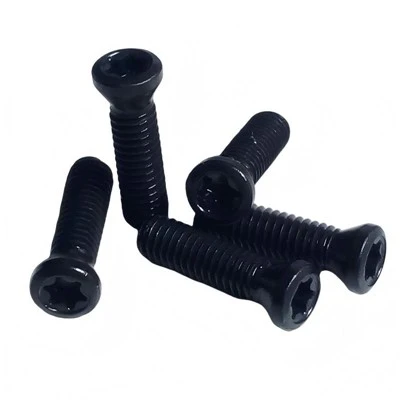
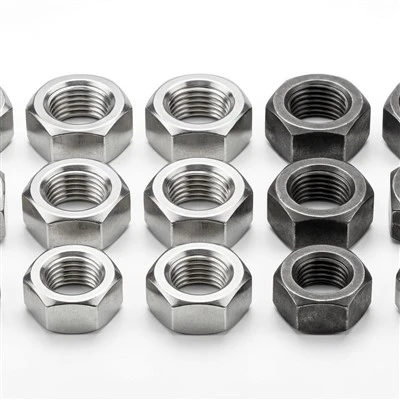
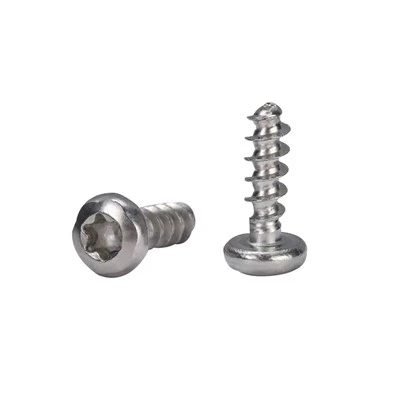
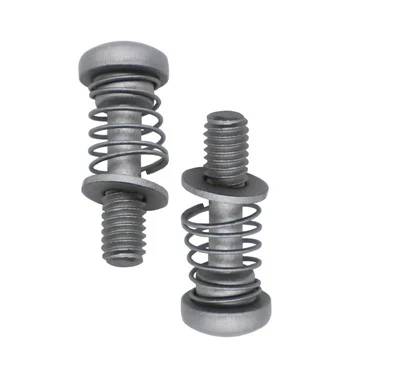
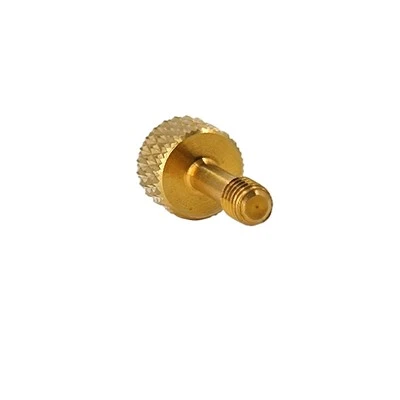
Structural features: Bolts consist of a head and a screw (a cylinder with external threads). They need to be used with nuts to fasten two parts with through holes. This type of connection is called a bolt connection, which is a detachable connection. Material and strength grade: Bolts are usually made of low-carbon alloy steel or medium-carbon steel and are heat-treated (such as quenching and tempering). The material and strength of bolts of different grades are different. For example, bolts of grade 8 and above are high-strength bolts with high tensile strength and yield strength, while bolts of other grades are ordinary bolts. Stainless steel bolts are marked as A4-70 or A2-70, and the meaning of these markings is different from that of ordinary bolts. Application scenarios: Bolts are widely used in various mechanical and structural connections. For example, U-bolts are often used in important structures and occasions where stability and seismic resistance need to be enhanced due to their simple structure, easy installation, and reliable connection effect. In addition, the performance level of bolts is an internationally accepted standard. Bolts from different origins have the same performance level as long as they have the same performance level.
Thread type and fit level: Thread is a key concept in the mechanical field. According to its different structural characteristics and uses, threads can be divided into three categories: ordinary threads, transmission threads and sealing threads. Ordinary threads are used to connect or fasten parts, and their tooth shape is triangular. Thread fit

 English
- English
- Français
- Deutsch
- 日本語
- Italiano
- Español
- Português
- русский
- Nederlands
- ไทย
- Latviešu
- Srbija jezik (latinica)
- Lietuvių
- Български
- Malti
- عربي
- עברית
- Català
- magyar
- Svenska
- Indonesia
- українська
- dansk
- Cymraeg
- suomi
- Melayu
- O'zbek
- Polski
- Norsk
- Gaeilgenah Éireann
- فارسی
- Ελληνικά
- slovenčina
- বাংলা
- Kreyòl Ayisyen
- Türkçe
- 한국어
- hrvatski
- Čeština
- bosanski
- Bai Miaowen
- Việt Nam
- Eesti
- íslenska
- اردو
- हिंदी
- slovenščina
- România limbi