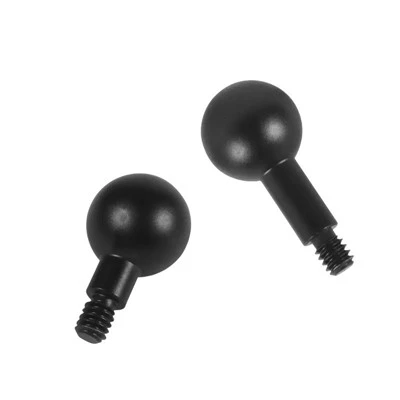
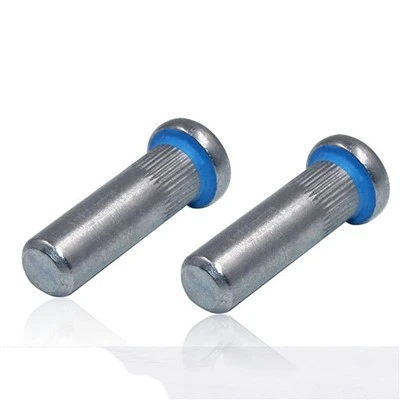
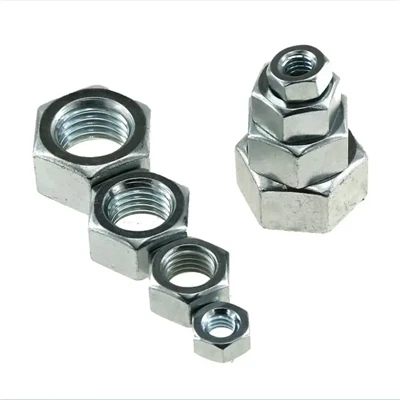
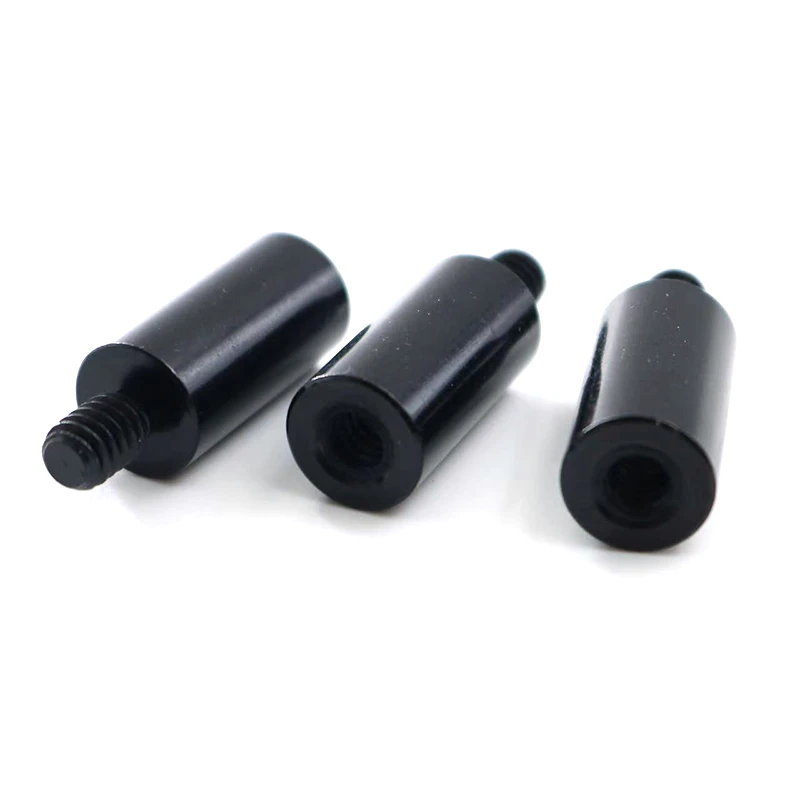
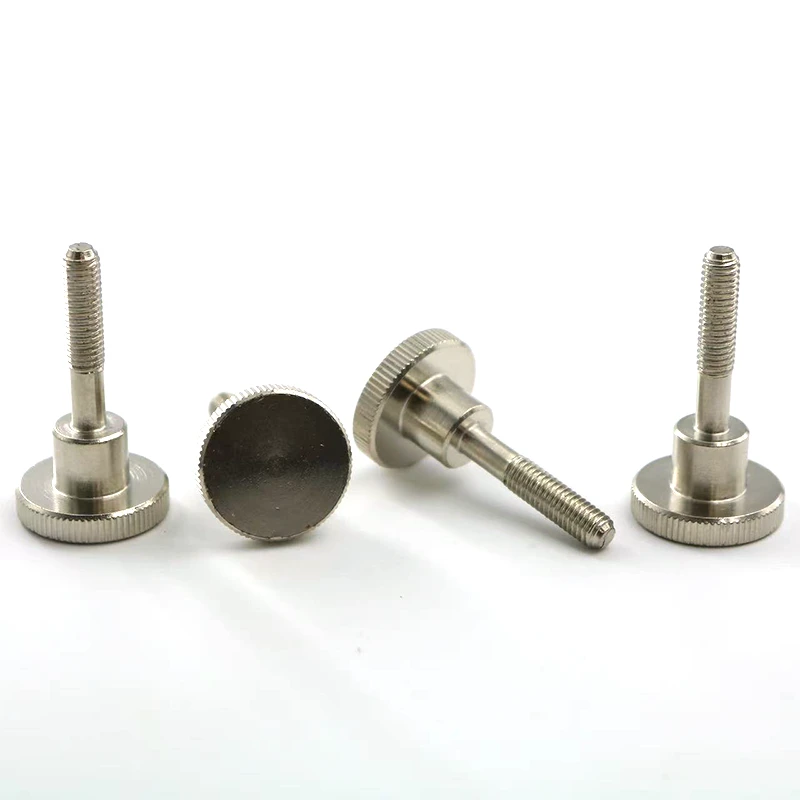
Expansion screws usually consist of bolts, expansion tubes (or sleeves), nuts and washers. When the bolts are tightened, the expansion tubes expand and generate friction with the hole wall of the substrate, thereby achieving fixation. This needs to be explained in detail, especially the process of mechanical expansion and friction fixation.
1. Core principle: mechanical expansion and friction fixation
The expansion screws achieve fastening through the radial expansion force and friction between the internal expansion structure and the hole wall of the substrate (such as concrete, masonry). Its action process is divided into the following key steps:
Pre-drilling
Drill a hole in the substrate with a hole diameter slightly larger than the outer diameter of the expansion tube (usually 0.5-1mm larger) and a depth that exceeds the bolt length by 5-10mm.
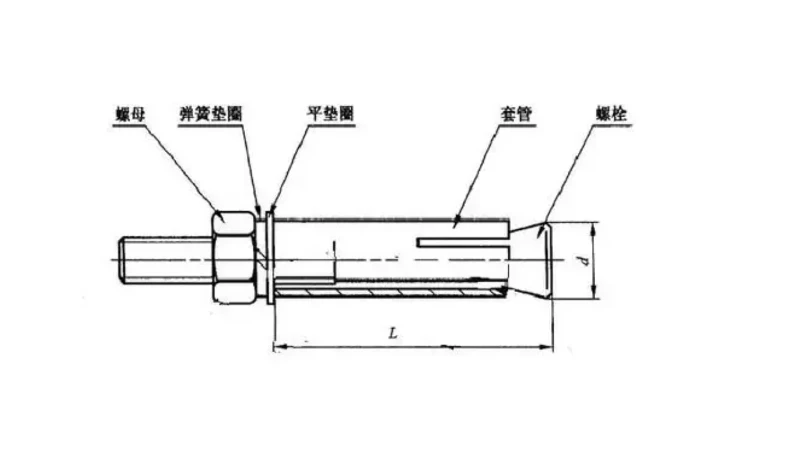
Insert the expansion assembly
Insert the screw, expansion tube (sleeve) and nut assembly of the expansion bolt vertically into the hole.
Tighten to trigger expansion
When the nut or screw is rotated, the screw is pulled outward, forcing the expansion tube (mostly a split metal sleeve) to expand radially under the extrusion of the conical head and fit tightly with the hole wall.
Friction lock is formed
The contact surface between the expansion tube and the hole wall generates huge static friction, and the expansion pressure causes the base material to be locally compressed
3. Expansion type and applicable scenarios
1. Mechanical expansion type
Principle: Fixation is achieved by physically squeezing the expansion tube.
Common types:
Split expansion bolts (such as ordinary expansion screws): suitable for dense substrates such as concrete and solid bricks.
Anchor expansion bolts: with internal threaded sleeves, used to hang heavy objects (such as air conditioners, shelves).
Load capacity: The tensile strength of a single M10 expansion screw in C25 concrete is ≥10kN, and the shear resistance is ≥15kN.
2. Chemical anchoring type
Principle: Inject chemical adhesive (epoxy resin/polyester), and after curing, form an integral bond with the substrate and the screw.
Advantages: Suitable for low-strength substrates such as hollow bricks and aerated concrete, with strong vibration resistance.
Installation steps: drilling → cleaning → injection → screw insertion → curing (usually 24 hours).
3. Heavy-duty expansion type
Principle: Use a multi-stage expansion structure (such as expansion sheet + cone sleeve) to disperse stress and improve load-bearing capacity.
Application: Bridges, steel structure workshops and other scenes that need to withstand impact or cyclic loads.
and deformed, forming a bidirectional mechanical anchor.