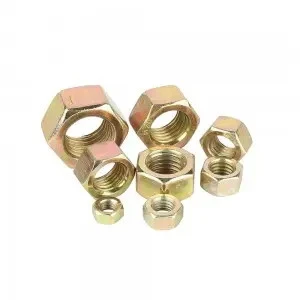
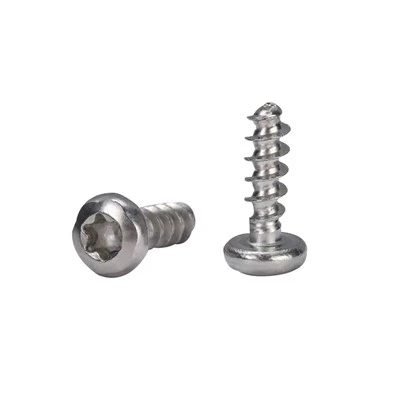
Many problems such as equipment loosening, abnormal noise, structural misalignment, or even connection failure are not caused by poor bolt quality, but by selecting the wrong type of nut.
Therefore, for buyers, engineers, and equipment manufacturers, the key issue is not simply whether a Hex Nut is used, but whether the correct type of Hex Nut has been selected.
What Is a Hex Nut?
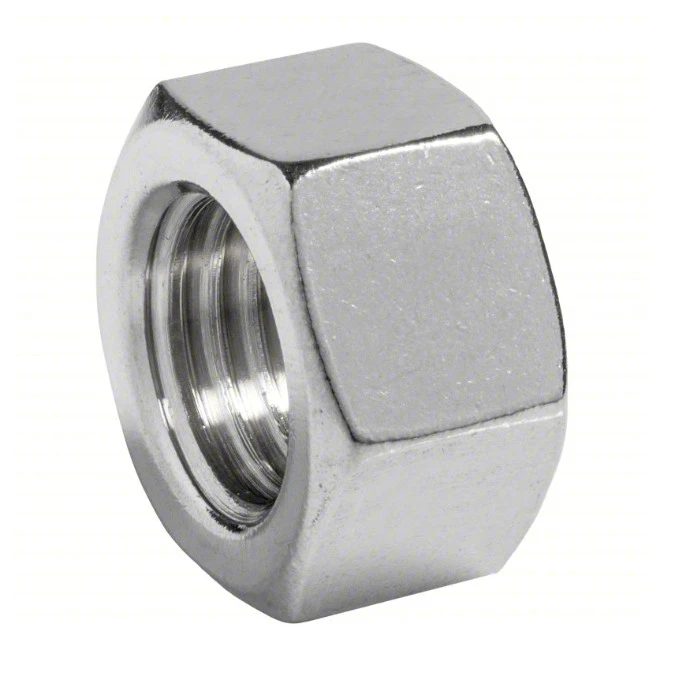
A Hex Nut is a standard fastener with internal threads and a hexagonal outer shape. It is used together with bolts or threaded rods to create a secure connection through thread engagement.
From an engineering perspective, the real function of a Hex Nut is not simply "tightening." Its primary purpose is to generate continuous clamping force through thread interaction, allowing two or more components to remain securely connected. When the nut is tightened, the bolt generates axial tension, which creates stable preload force to prevent movement under vibration, impact, or changing loads.
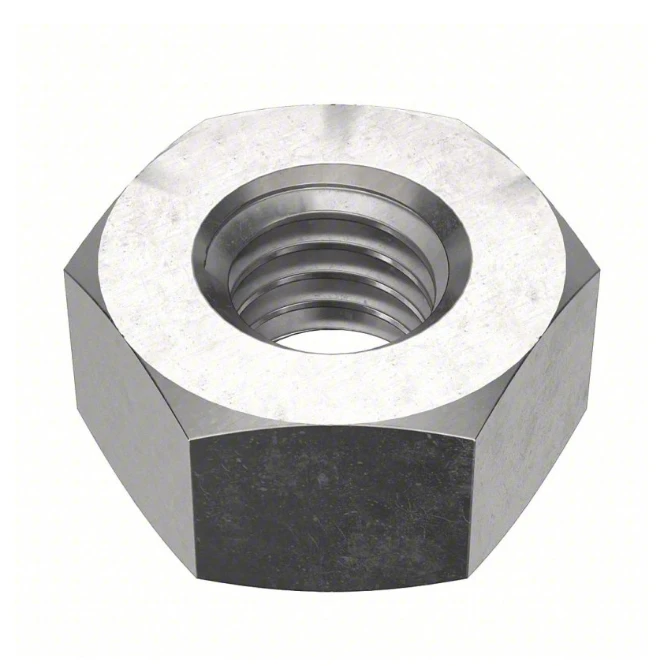
Product Type: Hex Nut
Material: Stainless Steel
Customization: OEM/ODM
MOQ: 1000 pieces

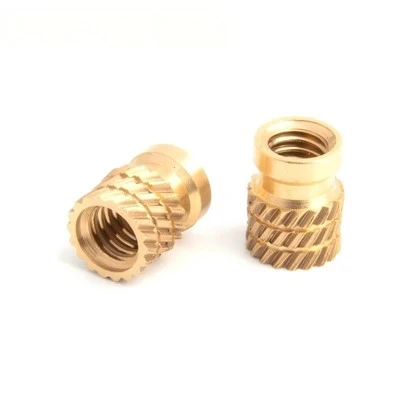
Material: Brass
Thread: M2, M3, M4, M5, M6, M8
Nut type: Hex Slotted Nut
Thread direction: right-hand
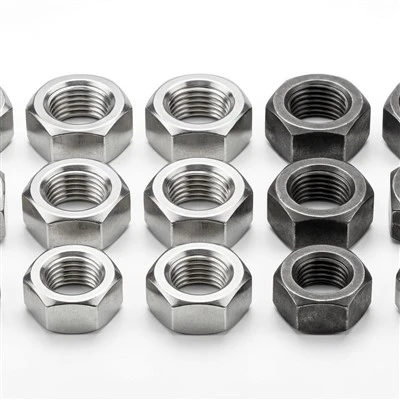
Standard Hex Nut
The Standard Hex Nut is the most commonly used type of hex nut in industrial applications and is typically manufactured according to international standards such as DIN934 and ISO4032. Because the manufacturing standards are highly mature and production efficiency is high, Standard Hex Nuts are also among the most widely used nuts in the global market.
Common sizes include:
M4
M6
M8
M10
M12
M16
M20
Why Are Standard Hex Nuts the Most Widely Used?
In ordinary machinery and equipment, connection points usually do not require extremely strong locking performance or the ability to withstand extremely high loads. As a result, standard Hex Nuts are sufficient for most industrial applications.
Another major advantage of Standard Hex Nuts is their high level of global standardization. Whether following DIN, ISO, or ANSI standards, most specifications are internationally interchangeable. This allows buyers to source replacement products more easily and simplifies future maintenance.
Heavy Hex Nut
Compared with standard Hex Nuts, the biggest difference of a Heavy Hex Nut is its thicker body and larger outside diameter. This design provides greater thread engagement area and higher load-bearing capacity.
Many large-scale engineering projects, such as bridges, steel structures, wind power equipment, and heavy machinery, must withstand:
Continuous weight loads
Wind impact
Mechanical vibration
Dynamic stress changes
In these situations, if the nut thickness is insufficient, long-term use may lead to:
Thread deformation
Reduced clamping force
Loose connections
Metal fatigue
Because Heavy Hex Nuts have a thicker overall structure, they distribute stress more evenly while improving tensile strength and fatigue resistance.
This is why many structural steel projects require Heavy Hex Nuts to be used together with high-strength bolting systems.
Common Applications of Heavy Hex Nuts
Heavy Hex Nuts are widely used in:
Structural steel engineering
Bridge construction
Petrochemical equipment
Wind power systems
Large machinery
High-strength building structures
Nylon Insert Lock Nut
Many industrial machines generate continuous vibration during operation, such as:
Electric motors
Conveyor systems
Vehicle movement
Industrial machinery impact
These vibrations gradually reduce friction between standard threads, eventually causing nuts to loosen.
Standard Hex Nuts may perform well in static environments, but under dynamic operating conditions, continuous vibration can weaken clamping force over time.
How Does a Lock Nut Prevent Loosening?
A Nylon Insert Lock Nut contains a nylon locking ring inside the nut. When the bolt is threaded into the nut, the nylon insert continuously presses against the threads, increasing friction resistance.
The biggest advantage of this design is that the nut can maintain relatively stable clamping force even under long-term vibration.
As a result, Lock Nuts are widely used in:
Automotive applications
Motorcycles
Electric motor equipment
Automation machinery
Conveyor systems
However, nylon materials have limited heat resistance, so Lock Nuts are not suitable for long-term high-temperature environments.
Flange Nut
Why Do Many Machines Use Flange Nuts?
When a standard Hex Nut is installed, pressure is usually concentrated in a relatively small area. Under long-term loading, this can damage metal surfaces. A Flange Nut distributes pressure more evenly, making it especially suitable for:
Sheet metal connections
Thin plate structures
Stamped component assembly
In addition, the flange design can reduce the need for separate washers, improving installation efficiency.
Differences Between Hex Nut Materials
Why Are Stainless Steel Hex Nuts Better for Outdoor Environments?
304 stainless steel is suitable for general outdoor applications, while 316 stainless steel contains added molybdenum, providing superior salt spray and corrosion resistance. This makes 316 stainless steel more suitable for:
Coastal environments
Marine engineering
Chemical processing equipment
High-humidity conditions
Many outdoor systems experience thread seizure after several years of use, and the cause is often improper material selection rather than structural failure.
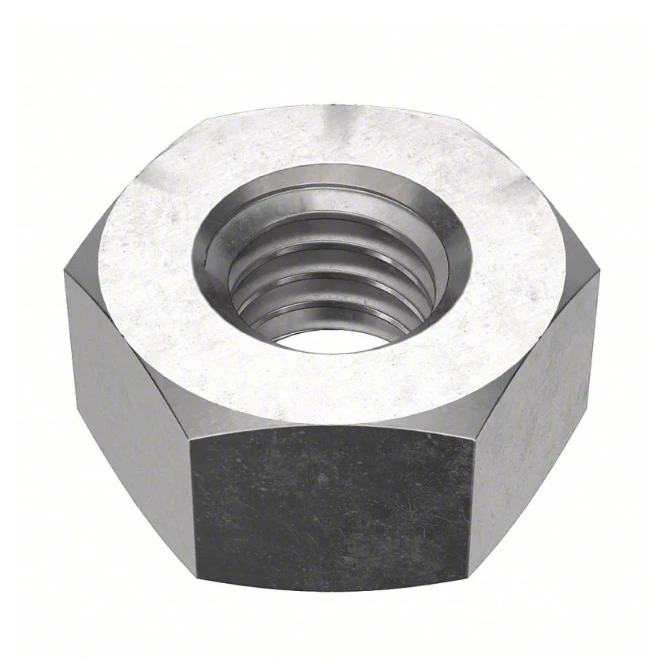
Why Are Carbon Steel Hex Nuts the Most Common in Industry?
Although stainless steel offers better corrosion resistance, carbon steel Hex Nuts remain the most widely used type in industrial applications.
The main reasons include:
High strength
Lower cost
Efficient manufacturing
Suitable for mass production
However, carbon steel is prone to rust, so surface treatments are usually applied, including:
Zinc plating
Hot-dip galvanizing
Black oxide coating
These treatments improve corrosion resistance and extend service life.
How to Choose the Right Hex Nut
For ordinary machinery, a Standard Hex Nut is usually sufficient. For equipment exposed to continuous vibration, a Lock Nut is a better option. Structural steel applications typically require Heavy Hex Nuts, while coastal or high-humidity environments are better suited for 316 stainless steel Hex Nuts.
Proper Hex Nut selection should consider multiple factors, including:
Operating environment
Vibration conditions
Load requirements
Corrosion resistance needs
Service life
Maintenance costs
Conclusion
Although Hex Nuts are basic industrial fasteners, different types vary significantly in structure, strength, locking performance, and suitable applications.
Standard Hex Nuts are ideal for general industrial connections, Heavy Hex Nuts are better suited for high-strength structural projects, Lock Nuts are designed for vibration-prone equipment, and Flange Nuts are especially effective for sheet metal connections.
FAQ
Q: What is a hexagonal nut?
A: A hexagonal nut is a hexagonal fastener with internal threads, used in conjunction with bolts to secure and connect mechanical parts.
Q: Can you customize nuts?
A: Yes, we are a factory specializing in non-standard fasteners and support OEM/ODM customization.
Q: Will stainless steel nuts rust?
A: Stainless steel has strong corrosion resistance, but slight corrosion may still occur in extreme environments (such as high-salt, strong acid/alkali environments).
Q: Are you a screw factory?
A: Yes, we are a fastener factory with 20 years of production experience, located in Guangdong, China.