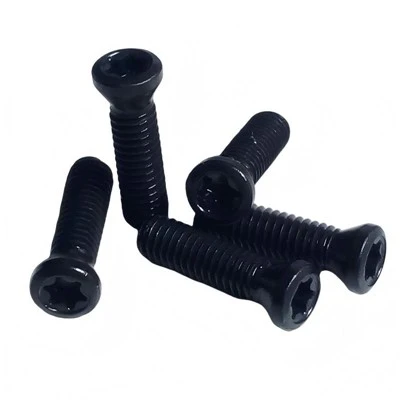
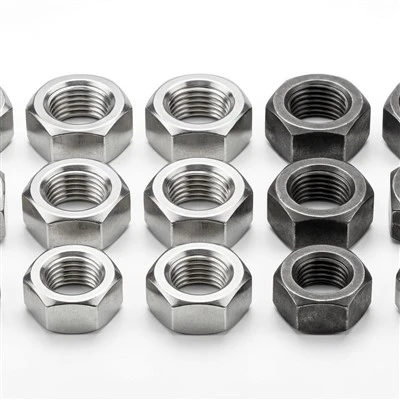
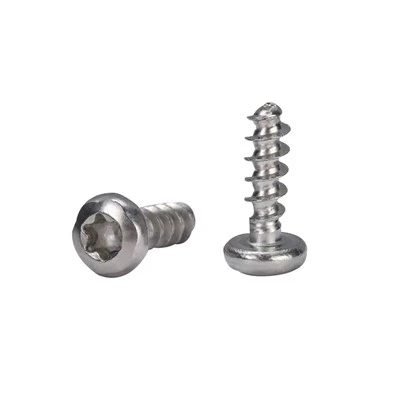
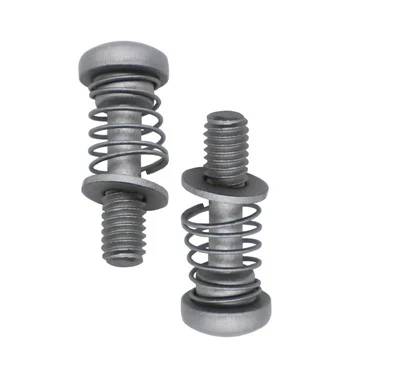
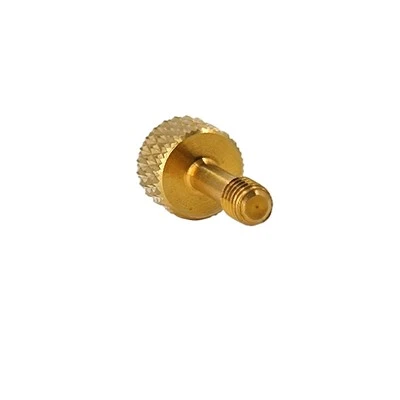
Hardware plastic parts are composite parts made of metal and plastic. The two materials are integrated through injection molding, inlaying, assembly, and other processes, combining the strength of metal with the lightweight and insulation properties of plastic. Commonly used in electronics, automobiles, home appliances, medical devices, and other fields.
Its core functions are mainly reflected in the following four aspects.
1. Structural support and connection
Mechanical fixation: Provide rigid connection for screws, hinges, and brackets to ensure the stability of components; plastic parts such as buckles and shells are flexibly fixed through elastic deformation.
Load-bearing and force distribution: Metal parts bear high-intensity loads; plastic parts reduce weight and absorb vibration.
Spatial positioning: Plastic parts must ensure assembly alignment, and the threaded or guide rail structure of hardware parts achieves precise guidance.

2. Function realization
Motion transmission: Hardware gears and shafts realize power transmission; plastic pulleys and guide rails reduce friction and noise.
Sealing and insulation: Plastic sealing rings are waterproof and dustproof; hardware shielding covers resist electromagnetic interference.
Electrical conduction: Hardware terminals and contacts ensure current transmission; a plastic insulation layer protects circuit safety.

3. Protection and safety
Physical protection: metal shell is impact-resistant; plastic cushion absorbs falling energy.
Environmental adaptability: stainless steel parts are corrosion-resistant; plastic parts are acid-resistant, alkali-resistant, and UV-resistant.
Safety isolation: plastic insulation sleeves prevent electric shock; hardware fuse holders provide overload protection.
4. Aesthetics and humanization
Surface treatment: hardware chrome plating and nickel plating both enhance gloss, and the plastic IML process achieves complex patterns.
Human-computer interaction: plastic buttons have a soft touch; metal knobs provide precise control feedback.
Lightweight design: plastic replaces metal to reduce weight by 30%~50% and maintain strength.

Effects of some application scenarios
Car door hinges play a role in shock absorption and noise reduction
Mobile phone middle frame: glass fiber reinforced plastic reduces costs by 50%
Medical device handle: ABS antibacterial coating meets FDA standards
Technology trends
Compounding: metal + plastic one-piece molding significantly improves integration.
High-performance materials: PPS plastic can withstand high temperatures of 200℃ instead of metal.
Through the coordination of material properties and structural design, hardware plastic parts have achieved a balance between strength, function, and cost, becoming an indispensable part of modern industry.