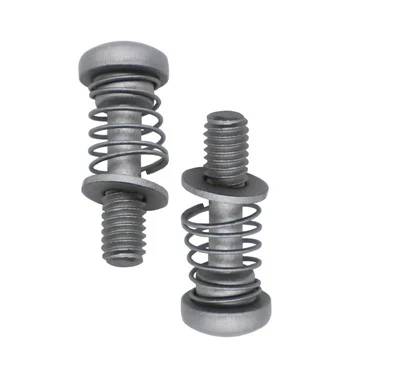
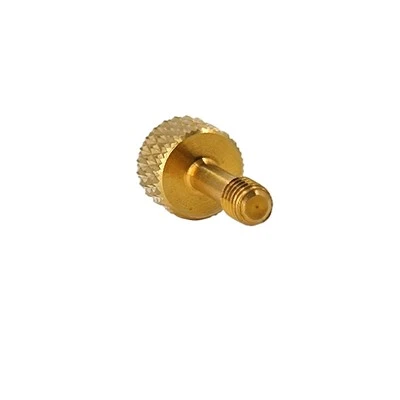
Anodized aluminum alloy colored hand-tightened knurled nuts are a kind of DIY fastener with both functionality and aesthetics. They are widely used in electronic equipment, furniture assembly, model making, and other fields. The surface treatment of anodized aluminum alloy colored hand-tightened knurled nuts needs to take into account aesthetics, corrosion resistance, and functionality. The following are the key surface treatment steps and technical points.
1. Pretreatment
Degreasing and cleaning:
Use an alkaline or neutral degreasing agent to remove surface oil and dust to ensure the cleanliness of the substrate. Ultrasonic cleaning is more effective.
Alkaline etching: Use a 5-10% NaOH solution to lightly corrode the surface to remove the oxide layer and impurities. The time is controlled within 1-3 minutes.
Neutralization: Use nitric acid or sulfuric acid solution to neutralize the residual alkali solution to avoid over-corrosion.
Polishing: Mechanically or chemically polish products with high gloss requirements to improve surface smoothness.

2. Anodizing
Process parameters:
Electrolyte: 15-20% sulfuric acid solution (temperature 18-22℃).
Voltage: 12-16V DC, current density 1-1.5 A/dm².
Time: 30-60 minutes, film thickness about 10-20μm.
Key control:
Keep the electrolyte temperature stable to avoid loose or scorched film.
3. Dyeing
Dye selection:
Use special organic dyes; the color must meet Pantone or RAL standards.
Dyeing process: Clean immediately after oxidation to avoid pore closure. Soak in dye solution for 5-15 minutes; the longer the time, the darker the color. Thorough cleaning is required after dyeing to prevent color differences or color flow.

4. Sealing treatment
Hot sealing:
Soak in boiling water (95-100℃) or nickel salt solution (80-90℃) for 20-30 minutes to seal the micropores of the oxide film.
Cold sealing (optional):
Nickel fluoride seals at room temperature, saving energy, but with slightly lower durability.
5. Knurled area protection (special requirements)
Local masking:
Before dyeing, apply anti-dyeing tape to the knurled teeth to retain the original color of the metal to enhance friction.
Secondary processing:
Remove the tape after sealing the hole, and lightly polish the knurled area to ensure a smooth feel.