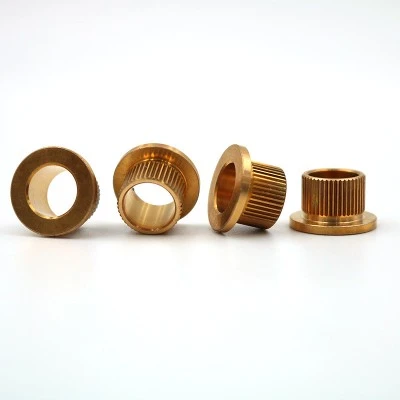
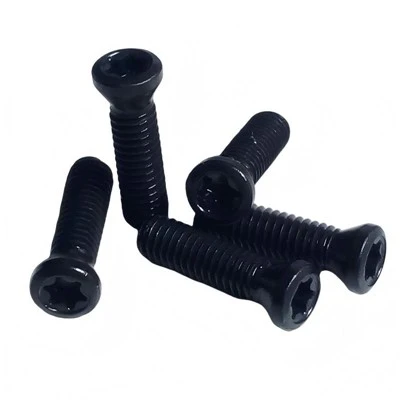
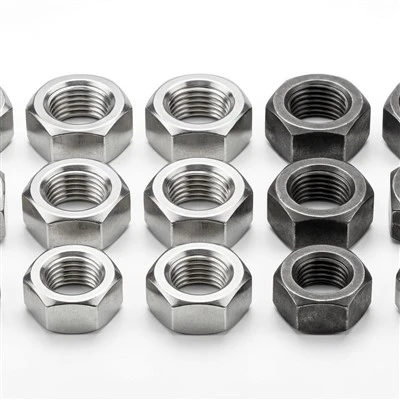
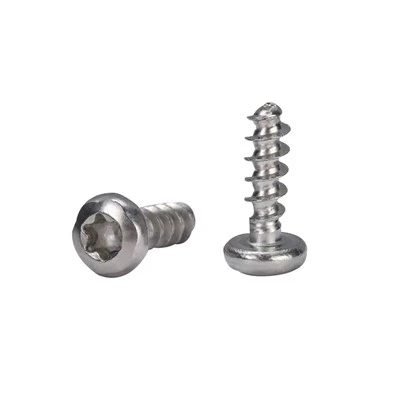
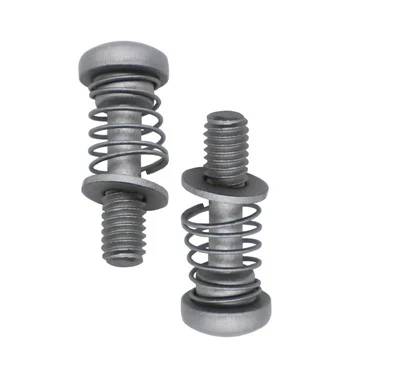
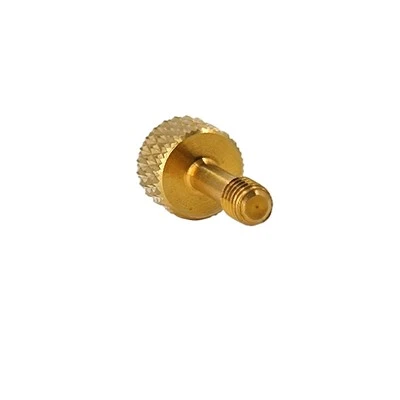
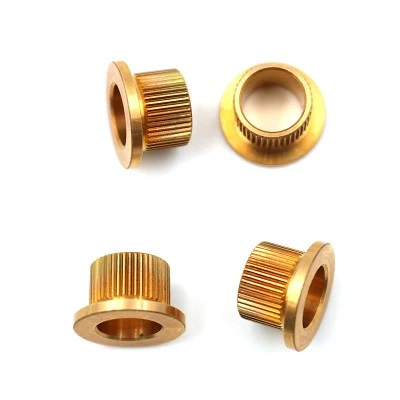
A brass knurled step flange rivet is a fastener that combines the characteristics of knurling, anti-slip, step positioning, and flange reinforcement. It is widely used in electronics, machinery, and other fields. The following is an analysis of its similarities and differences with other types of rivets.
1. Similarities
Basic functions: both are used for permanent mechanical connection, fix the workpiece by plastic deformation, and cannot be disassembled. Suitable for fastening thin-walled structures such as plates and shells, such as electronic equipment housings, automotive parts, etc.
Structural commonality: It contains a nail rod and head; the head of the flange rivet is an enlarged flange, and the ordinary rivet is a simple round head or countersunk head. Some rivets may have a knurling design, but the knurling form and purpose may be different.
Installation method: All installations need to be completed by pulling or squeezing the nail rod with a riveting tool.
2. Differences
1. Material properties
Brass knurled step flange rivet: Made of brass, it has good conductivity and corrosion resistance, but its strength is lower than that of steel; the surface is often nickel-plated or passivated to prevent oxidation.
Compared with other rivets
Stainless steel rivets: high strength and corrosion resistance, but high cost and poor conductivity.
Aluminum rivets: lightweight, but the strength is comparable to brass, easy to oxidize.
2. Structural design
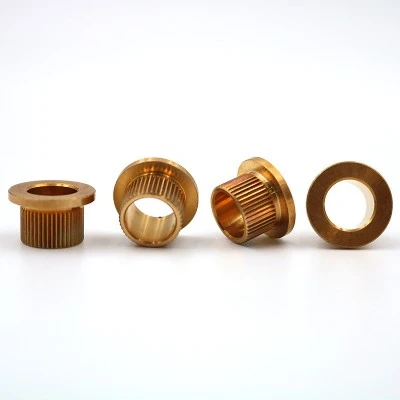
Step design: Brass knurled step rivets have axial steps, which can achieve multi-thickness workpiece adaptation or precise positioning. Ordinary rivets have no steps and only rely on the deformation of the rivet rod to fill the pores.
Flange design: The flange head provides a larger contact surface, disperses the load, and reduces the pressure loss on soft materials. Flangeless rivets need to be countersunk for installation, and the head is flush with the surface.
Knurling design: The knurling pattern increases friction to prevent rotation or loosening after installation; knurlless rivets rely on mechanical bite after deformation and have weak anti-rotation ability.
3. Application scenarios
Brass knurled step flange rivets: occasions where anti-slip and anti-vibration are required; there are also scenarios where conductivity is required, but not high current carrying.
Compared with other rivets
Stainless steel rivets: highly corrosive environment (ships, chemical equipment).
Aluminum rivets: the aerospace field where lightweighting is a priority.
Rivets without steps: single thickness workpiece, no positioning function required.
4. Process and cost
The processing cost of brass rivets is lower than that of stainless steel, but higher than that of aluminum; knurling and steps increase manufacturing complexity.
Ordinary rivets are installed faster, but cannot provide the additional functions of steps or flanges.