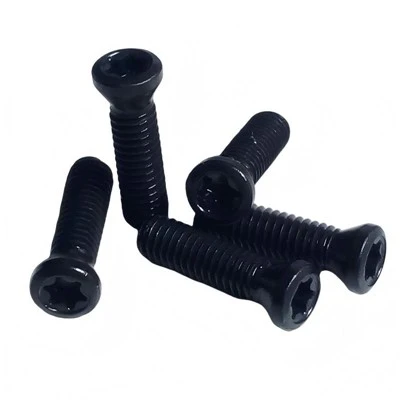
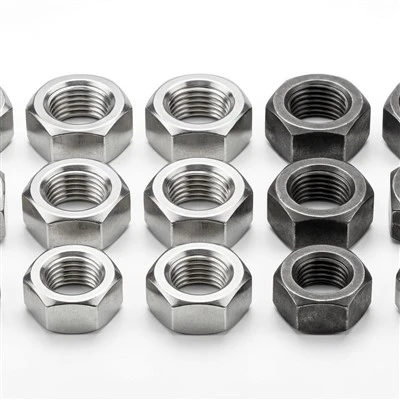
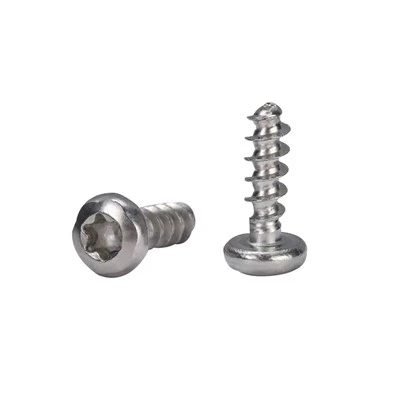
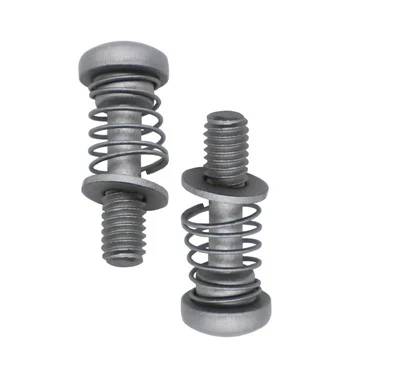
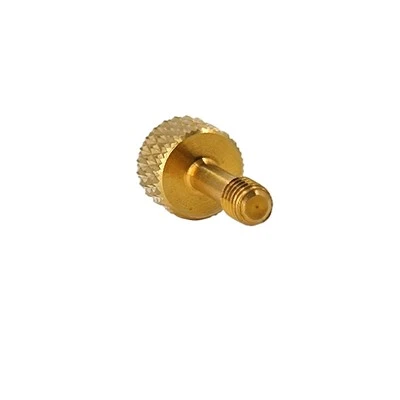
In the hardware industry, screws and nuts made of stainless steel are popular for their corrosion resistance, but they often "lock" during installation, that is, the threads are stuck and cannot be removed. This is related to the characteristics of stainless steel. The following are preventive measures for this phenomenon.
Cause analysis: Stainless steel is soft and easy to stick. Therefore, stainless steel is ductile, and friction generates heat when tightening, which will cause the metal molecules on the surface of the thread to stick.
Oxide layer damage: The chromium oxide film on the surface of stainless steel can prevent rust, but friction will scratch this film, and the exposed metal is more prone to bite after direct contact

Solution: Reduce friction. Ordinary butter may be ineffective and even accelerate corrosion.
Control the tightening speed
Avoid high-speed power tool operation, and manual or low-speed tightening can reduce the risk of heating.
Choose optimized products
Choose stainless steel fasteners with polished or plated threads to reduce the friction coefficient.
Remedial measures
If the screws are locked, you can try the following steps
① Spray loosening agent to penetrate; ② Tap the threads to vibrate and separate; ③ Use a hot air gun to heat locally (using the principle of metal thermal expansion and contraction).
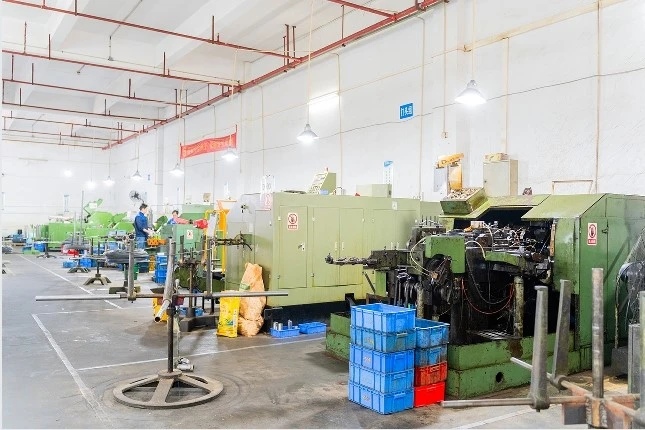
Warm reminder: Prevention is better than repair, and correct installation can greatly extend the service life of stainless steel fasteners.