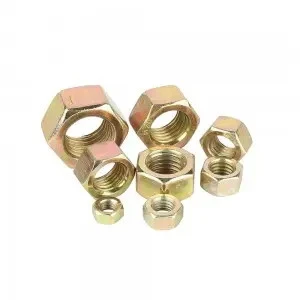
Correctly measuring hex nuts is crucial for fastener matching, safe mechanical assembly, and accurate procurement. Inaccurate measurements can lead to nut-bolt mismatches, assembly difficulties, and even safety hazards.
This guide provides detailed hex nut measurement steps to help you master accurate measurement methods.
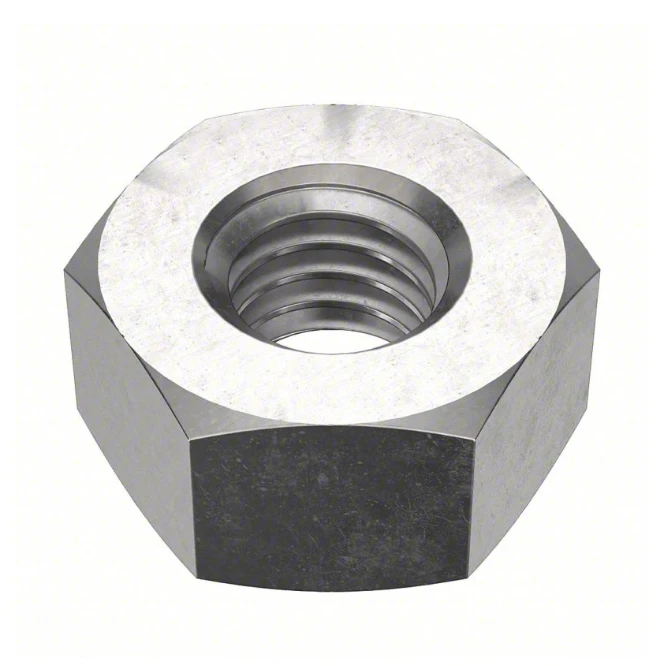
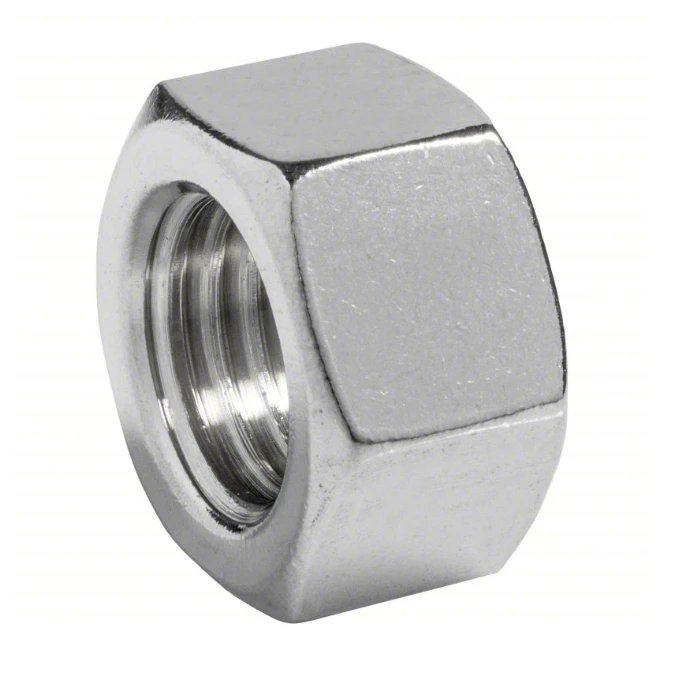
Basic Structure of Hex Nuts
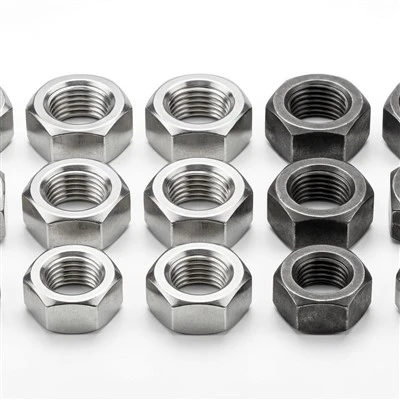
Before measuring, it's necessary to understand the main structure and key dimensions of hex nuts. A hex nut is a hexagonal fastener used with bolts or threads to securely fasten parts together.
Pay attention to the following key dimensions during measurement:
Across Flats (AF)
AF refers to the distance between the two parallel sides of the hex nut. This is a primary dimension marked on the nut and is crucial for selecting a wrench or socket.
Across Corners (AC)
AC refers to the distance between the two opposite corners of the hex nut.
Thread Diameter and Pitch
· Thread Diameter: The internal diameter of the nut that mates with the bolt.
· Pitch: The distance between adjacent threads, measured in millimeters in metric units and threads per inch (TPI) in imperial units.
Nut Thickness (Height)
Thickness refers to the vertical height of the nut from bottom to top, affecting the thread engagement length and load-bearing capacity. Too thin a nut will reduce its load-bearing capacity, while too thick a nut may affect space and assembly.
Tools Required for Measurement
To ensure accurate measurements, the following tools are recommended:
· Vernier calipers or digital calipers: Used to measure AF, AC, and thickness.
· Thread gauge: Used to measure pitch.
· Micrometer (optional): Suitable for measuring small nuts or precision thicknesses.
· Magnifying glass or auxiliary light source: Helps inspect small nuts or worn threads, ensuring accurate measurements.
Tip: Clean the nut and tools before measurement to avoid dust, oil, or burrs affecting the reading.
Hex Nut Measurement Steps
Step 1 – Measure the Opposite Flats (AF)
1. Clamp calipers between the two parallel flats of the nut.
2. Keep the calipers perpendicular to the parallel flats to avoid errors caused by angled measurements.
3. Gently close the calipers, just enough to touch the nut surface; do not press down.
4. Read and record the dimension (millimeters or inches).
5. Compare with standard size charts (ISO, DIN, ANSI) to confirm the specifications.
Step 2 – Measure the Diagonal Dimensions (AC)
1. Measure the distance between the two corners with calipers.
2. Keep the calipers aligned with the corner points of the nut to ensure accuracy.
3. Record the data for use in space design or high-torque applications.
Step 3 – Measure the Thread Diameter and Pitch
1. Measure the inner diameter of the nut using calipers or a thread gauge.
2. Measure the pitch with a thread gauge to ensure it matches the bolt, e.g., M8 x 1.25. 3. Check the threads for smoothness to avoid wear or burrs interfering with the measurement.
Step 4 – Measuring Nut Thickness
1. Measure the vertical height from the bottom to the top of the nut using calipers or a micrometer.
2. Check against a standard thickness chart to confirm compliance with nut specifications.
3. Thickness affects thread engagement length and load-bearing capacity; ensure the selected nut meets design requirements.
Measuring tools
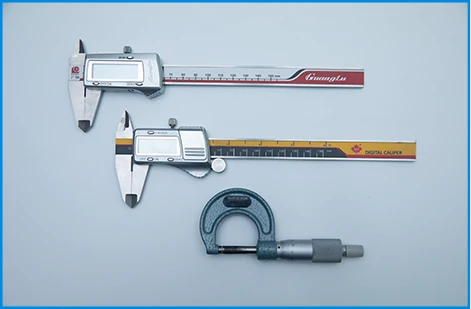
Clipers Micrometer
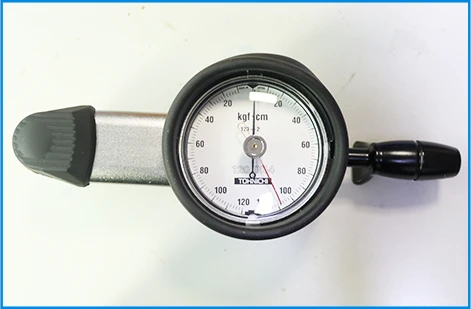
Torque
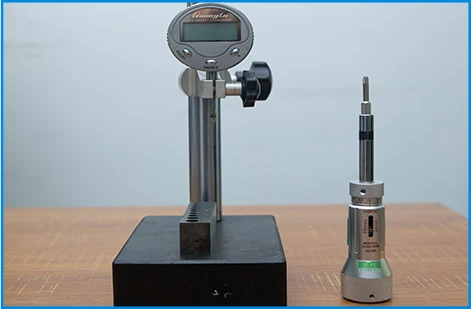
Depth Micrometer
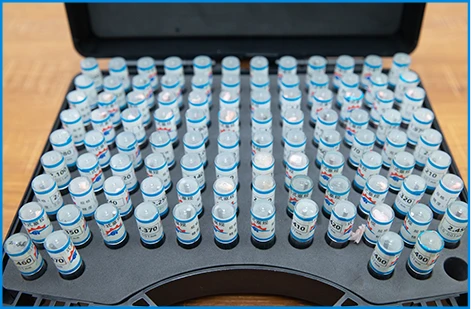
Plug
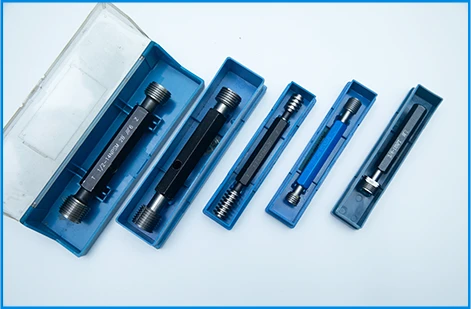
Thread Guage
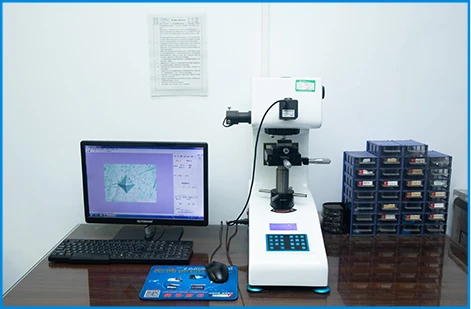
Hardness Tester
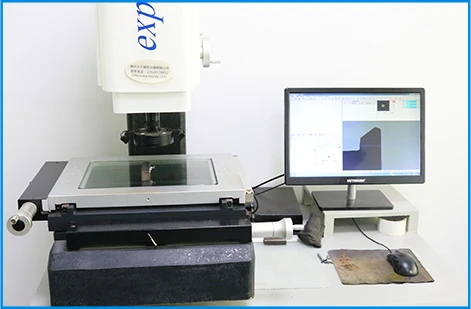
Projector

Salt Spray Testing
Tips for Improving Hexagonal Nut Measurement Accuracy
Choose a clean, stable, and well-lit measurement environment.
Before measurement, ensure the work surface is flat and free from vibration to prevent tool slippage and errors. Sufficient lighting helps to clearly see the nut's edges and thread details.
Measure the same dimension multiple times and take the average.
It is recommended to measure key dimensions such as AF (opposite sides), AC (opposite diagonals), and thickness at least three times and then take the average. This minimizes random errors and improves the reliability of the measurement results.
Ensure tools are zeroed and calibrated before use.
Digital calipers, vernier calipers, or micrometers must be zeroed before use. Regularly calibrate your tools, especially after high-precision measurements or long-term use, to ensure accurate results.
Record Measurement Data
After each measurement, it is recommended to record the dimensions in a notebook or spreadsheet, including AF, AC, thread diameter, pitch, and thickness.
Verify Units (Metric or Imperial)
Pay close attention to units during measurement; metric (millimeters) and imperial (inches) should not be mixed.
Common Measurement Errors
· Using imprecision tools (such as rulers) results in significant errors.
· Measuring at non-perpendicular angles leads to AF or AC deviations.
· Ignoring thread diameter, pitch, or thickness causes fit failure.
· Mixing metric and imperial units leads to purchasing errors.
Summary
Measuring hexagonal nuts requires attention to the opposite flats (AF), opposite diagonal dimensions (AC), thread diameter, pitch, and thickness. Using appropriate tools and strictly following the procedures ensures a tight fit between the nut and bolt, avoiding assembly problems. Precise measurement not only aids in mechanical assembly but also improves procurement efficiency and safety.
FAQ
Q: What is the simplest way to measure a hex nut?
A: Using digital calipers is the fastest and most accurate method, capable of measuring AF, AC, and thickness.
Q: Why is the thread pitch important?
A: The thread pitch determines whether the nut can smoothly engage with the bolt. Incorrect thread pitch can lead to thread damage or loosening.
Q: Can I measure without calipers?
A: A ruler can be used for rough measurement, but the accuracy is low. It is recommended to use calipers or a micrometer for precise measurement.
Q: How do I determine if a nut is a standard size?
A: Compare the AF, AC, thread diameter, and thickness with ISO, DIN, or ANSI standard size tables.
Q: How often should measuring tools be calibrated?
A: Depending on usage frequency, calibrate every 6-12 months to ensure accurate measurements.