As a Chinese screw manufacturer with 19 years of experience, Zeyao has always focused on providing high-quality, stable screw products to global customers. Today, I'd like to share our production experience on how to correctly choose screw materials to help you select the most suitable products.
1. Why is screw material important?
Screws are crucial components for connecting structures. Their performance not only determines the stability of machinery or buildings but also affects safety. Screws made of different materials vary greatly in strength, hardness, corrosion resistance, and cost.
Improper material selection may lead to:
* Screw rusting, shortening service life
* Insufficient strength, easy breakage
* Incompatibility with equipment or structural materials, affecting safety
* Excessive cost or material waste
2. Common Screw Materials and Characteristics
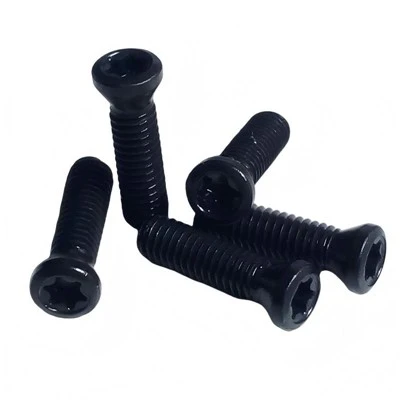
2.1 Carbon Steel
* Characteristics:
Low cost, suitable for mass production
* Moderate strength, suitable for general machinery and furniture
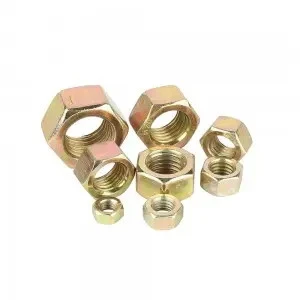
* Easy to prevent rust through surface treatments (galvanizing, blackening)
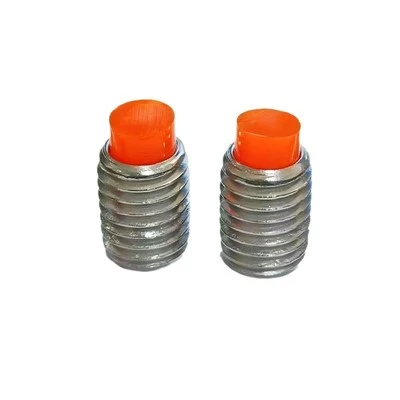
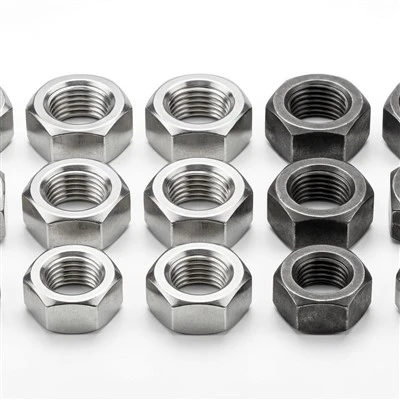
2.2 Stainless Steel
* Common models: 304, 316
* Characteristics:
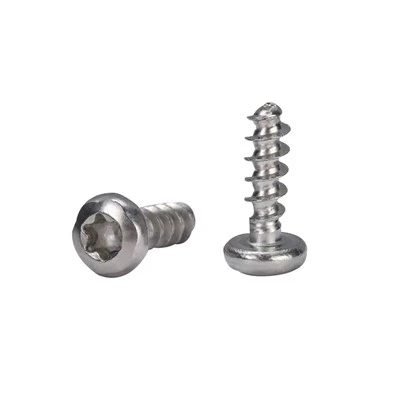
Naturally corrosion-resistant, not easy to rust
* Stable mechanical properties, can withstand medium-intensity loads
* Suitable for humid environments, coastal areas, or food processing equipment
2.3 Alloy Steel
* Characteristics:
High strength, suitable for high-load machinery and structural applications
* Hardness can be increased through heat treatment
* Usually requires a surface coating for rust prevention
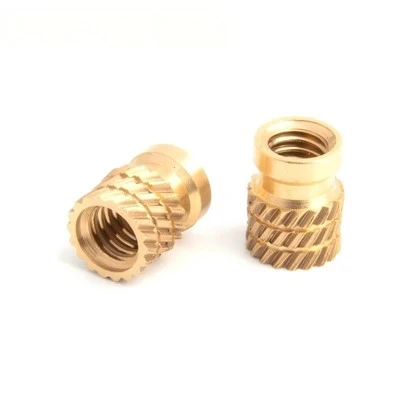
2.4 Copper, Brass, or Aluminum Screws
* Characteristics:
Good rust resistance
* Lower strength, suitable for light loads and decorative applications
* Attractive appearance, suitable for electronic products or decorative hardware