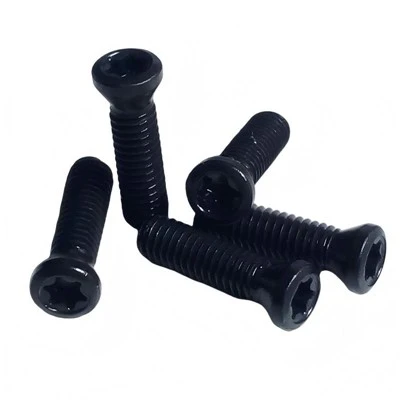
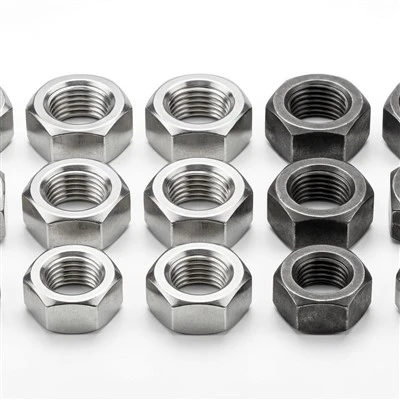
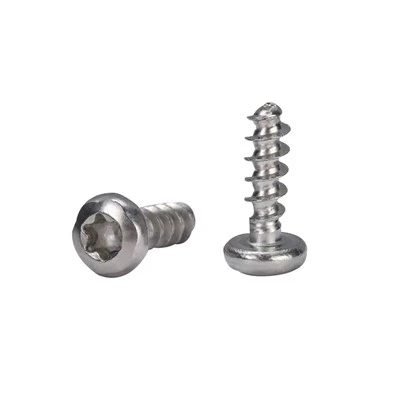
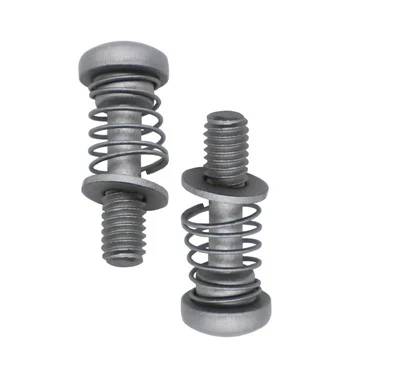
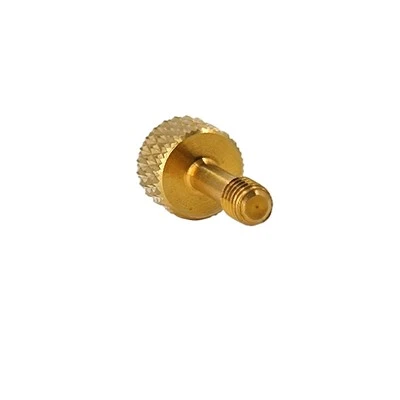
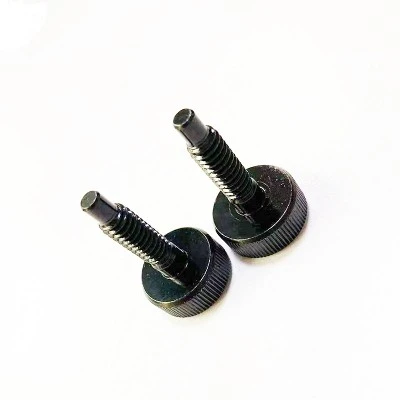
The multi-station cold-forged American straight knurled hexagonal screw is a precision mechanical fastener that combines high strength, convenient installation and anti-slip properties. The following is a detailed description of its customization requirements, which takes into account both technical points and production feasibility.
1. Core parameter requirements
Standards and materials
Standard specifications: American ASME B18.3 or customer-specified standards.
Conventional options: stainless steel 304 or 316, carbon steel grade 8.8 or grade 10.9, galvanized or nickel-plated.
Special requirements: brass, titanium alloy.
Dimensions and tolerances
Thread specifications: UNC/UNF series, the acceptance criteria of the go and no-go gauge must be specified.
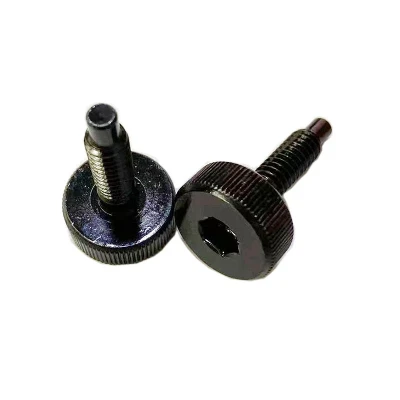
Head size: Hexagonal hole according to the keyway size of ASME B18.3.
Knurling parameters: straight knurling, recommended 0.8-1.2mm pitch, outer diameter increase of 0.1-0.3mm.
Process requirements
Cold heading: multi-station processing to ensure that the coaxiality between the head and the rod is ≤0.05mm.
Heat treatment: Carbon steel needs to be tempered, and stainless steel can be optionally solution-treated.
Surface treatment: coating thickness, salt spray test time.
2. Custom key details
Knurling design: axial straight lines (to avoid cross lines affecting the feel), knurling area length ≥1.5 times the screw diameter.
Anti-slip test: A torque test report is required (such as hand tightening torque ≥0.5N·m).
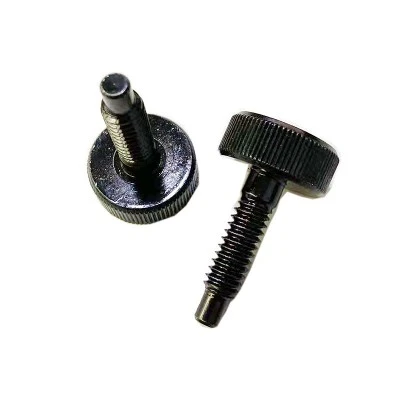
Head structure
Hexagonal depth: at least 1.2 times the size of the hexagonal key, and a 0.3mm process fillet is reserved at the bottom to prevent cracking.
Chamfering: The edge of the head needs to be chamfered 0.1-0.2mm to avoid assembly scratches.
Special requirements
Marking: Laser marking on the head.
Packaging: Anti-scratch blister tray packaging, the quantity per box is divided into 1000 pieces/5000 pieces.
III. Quality Control and Delivery
Testing Items
Key Items: Thread Go/No-Go Gauge, Hardness Test, Knurling Adhesion.
Inspection Ratio: First-piece full inspection, batch sampling.
Document Support: Material Report, Process Flow Chart, Full-Size Inspection Report, Need to be Provided.
IV. Common Problem Avoidance
Material Selection: Stainless Steel Cold Heading Needs to Use Special Free-Machining Grades to Avoid Cracking.
Knurling Tooth Collapse: Adjust Die Pressure and Annealing Process.
Thread Accuracy: Add Thread Rolling Process After Cold Heading to Correct Tolerance.
V. Supplier Communication Suggestions
Clearly provide drawings, and key dimensions and tolerances need to be marked.
Require a mold trial report (including mold life estimate).
Negotiate defective product handling terms.