Screws are indispensable fasteners in industries such as machinery, construction, electronics, and furniture. Their performance directly affects structural safety and service life. Screws without surface treatment are prone to rust, accelerated wear, and can even compromise the safety of entire projects. This article provides a comprehensive explanation of the importance of screw surface treatments, common methods, selection criteria, and precautions, helping buyers, engineers, and users make informed decisions.
1. Basic Concept of Screw Surface Treatment
Screw surface treatment refers to the process of adding a protective or functional layer to the screw surface. These treatments not only improve the appearance but also significantly enhance durability and performance.
Common surface treatment methods include:
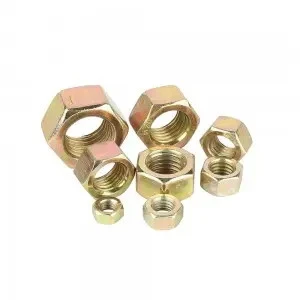
Zinc plating (hot-dip or electroplating)
Nickel or chrome plating
Black oxide coating
Phosphating
Spray painting or coating
Protective coatings after heat treatment
The main purposes of surface treatment are to prevent rust and corrosion, increase wear resistance, improve appearance, and enhance adhesion with other materials.
2. Importance of Screw Surface Treatments
Corrosion and Rust Prevention
Screws are exposed to air, moisture, and chemical agents during use. Without surface protection, oxidation and rust can occur. Rust not only affects appearance but can also cause threads to seize, screws to break, and entire structures to loosen.
Enhanced Wear Resistance
Surface-treated screws have reduced friction and wear, extending their service life. In machinery or industrial equipment that requires frequent disassembly, treated screws maintain thread accuracy, preventing stripping and damage to threaded holes.
Aesthetic and Brand Value
Surface treatments improve the visual appeal of screws. Chrome-plated screws provide a mirror-like finish, ideal for decorative furniture or electronics, enhancing overall visual quality. Black oxide screws convey a professional and industrial look, suitable for tools and machinery.
Safety
Untreated screws are more susceptible to rust, wear, and corrosion, which can lead to structural failure. In critical applications such as construction, automotive, and machinery, surface treatment directly impacts safety.
3. Common Screw Surface Treatment Methods and Features
Hot-Dip Zinc Plating
Features: Strong corrosion resistance, suitable for outdoor and construction applications
Advantages: Thick zinc layer protects screws from long-term rust
Electroplating Zinc
Features: Common for precision screws, provides a bright surface
Advantages: Moderate corrosion resistance, suitable for indoor use
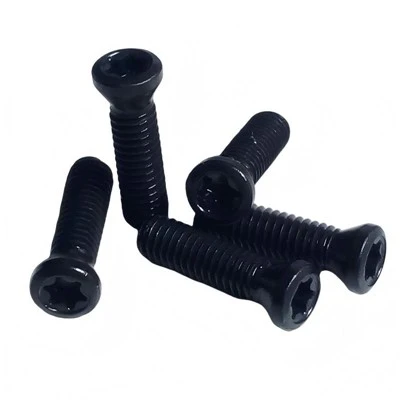
Black Oxide
Features: Black finish, reduces light reflection, moderate corrosion resistance
Applications: Hand tools, electromechanical equipment
Advantages: Subtle, professional appearance
Nickel/Chrome Plating
Features: High gloss, strong wear resistance
Applications: Decorative products, industrial machinery
Advantages: Enhances aesthetics while providing corrosion protection
Spray Painting or Coating
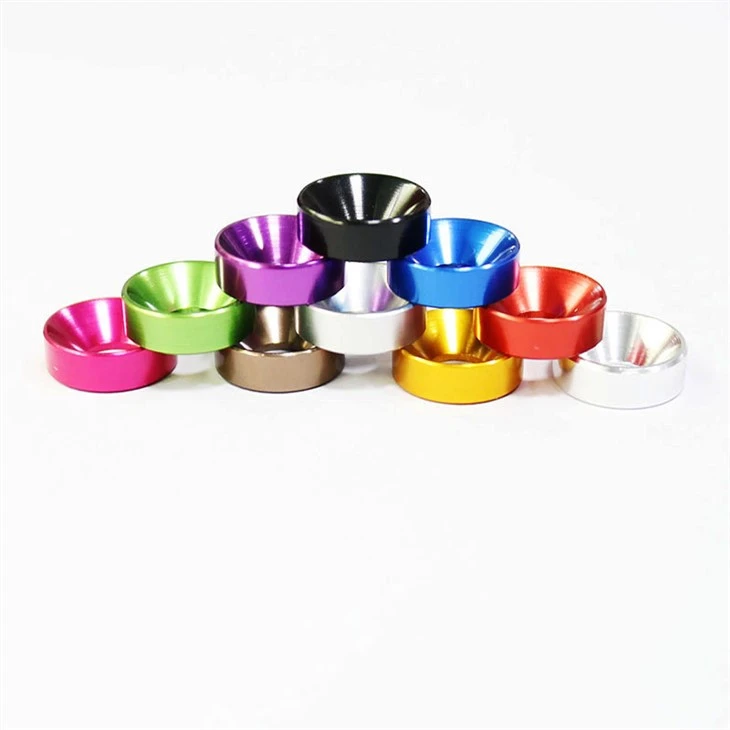
Features: Offers multiple colors, improves decorative appearance
Applications: Furniture, consumer goods
Precaution: Coating thickness must be uniform; uneven coating may peel
Phosphating
Features: Improves adhesion of subsequent coatings
Applications: Screws for painting or powder coating
Advantages: Increases wear resistance and corrosion resistance
4. How to Choose Screw Surface Treatments Based on Environment
Indoor environment: Electroplated zinc or black oxide is usually sufficient, with moderate cost
Outdoor environment: Hot-dip zinc or chrome plating is recommended for long-term rust protection
High humidity or salt spray environments: Coastal construction and marine equipment benefit from hot-dip zinc or stainless steel screws
High-temperature environments: Use heat-resistant coatings or nickel plating to prevent coating melting
Precision equipment: Focus on smoothness, wear resistance, and corrosion protection; electroplated zinc or chrome is suitable

5. Matching Surface Treatments with Screw Materials
The material of the screw determines its inherent physical properties and corrosion resistance, while surface treatments provide additional protection and performance enhancement. Below is a detailed guide for common screw materials and recommended treatments:
5.1 Carbon Steel Screws
Material Characteristics: High hardness, strong load-bearing capacity, prone to rust in humid or outdoor environments
Recommended Surface Treatments:
Hot-dip zinc: Thick protective layer, excellent corrosion resistance, suitable for construction, outdoor furniture, and industrial equipment
Electroplated zinc: Moderate corrosion resistance, suitable for indoor or light-duty applications
Black oxide: Reduces light reflection and provides mild corrosion resistance, suitable for tools and machinery
5.2 Stainless Steel Screws
Material Characteristics: Naturally corrosion-resistant, moderate strength, suitable for light to medium loads
Recommended Surface Treatments:
Light polishing or electropolishing: Enhances appearance and slightly improves corrosion resistance
Optional coating: For color or reduced reflection, consider spray coating or black oxide
5.3 Alloy Steel Screws
Material Characteristics: High strength and hardness, suitable for heavy-load applications, sensitive to corrosion in outdoor or humid environments
Recommended Surface Treatments:
Nickel plating: Improves corrosion resistance while maintaining smoothness
Hot-dip zinc: Strong rust protection, ideal for outdoor construction or industrial use
Spray or coating: Adds color, corrosion, and wear protection
5.4 Copper, Brass, or Aluminum Screws
Material Characteristics: Naturally corrosion-resistant, especially brass, but lower strength than steel, suitable for light loads and decorative purposes
Recommended Surface Treatments:
Polishing or nickel plating: Improves shine and aesthetics
Clear lacquer or spray coating: Prevents oxidation and extends service life
This comprehensive understanding of screw materials and surface treatments allows buyers and engineers to make informed choices, ensuring screws are durable, safe, and suitable for their intended applications while maintaining visual and functional quality.