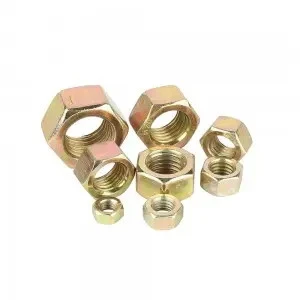
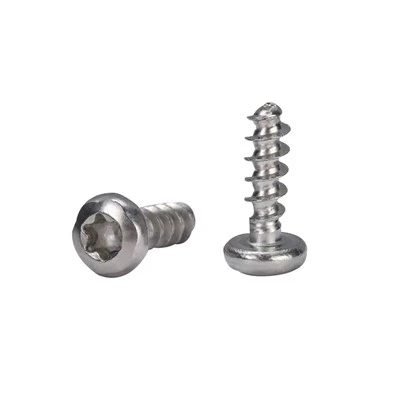
Screws play a crucial role in structural fixing and connection in various industrial manufacturing, construction projects, electronic assembly, and hardware applications. However, once screws rust, it can affect appearance, weaken structural strength, and create safety hazards. Therefore, effectively reducing screw rusting is a key issue of great concern to every purchaser and engineering user.
Based on 19 years of production experience and industry case studies, Zeyao Factory will help users reduce screw rusting problems from the source by focusing on five aspects: material selection, surface treatment, storage management, application environment, and post-maintenance.
1. Choosing the Right Screw Material
Whether a screw is prone to rusting is directly related to the corrosion resistance of the material itself. Many rusting problems occurring in outdoor, humid, or high-salt spray environments are often rooted in improper material selection.
Stainless Steel Screws (304/316)
Stainless steel is naturally rust-resistant because the passivation film formed on its surface can block moisture and oxygen in the air, remaining stable even in high humidity or weak acid/alkali environments.
Carbon steel screws (grades 8.8, 10.9, 12.9)
Carbon steel is widely used due to its high strength and cost advantages, but its corrosion resistance is weak, therefore it must be combined with appropriate anti-rust surface treatment.
Alloy steel screws
Used in high-stress, high-fatigue environments, commonly found in engineering structures and heavy machinery. Although they have high strength, they also require professional anti-corrosion processes.
|
|
|
2. Choosing the correct surface treatment process
For carbon steel screws, the surface treatment almost determines the screw's rust resistance. Different processes have significantly different corrosion resistance levels.
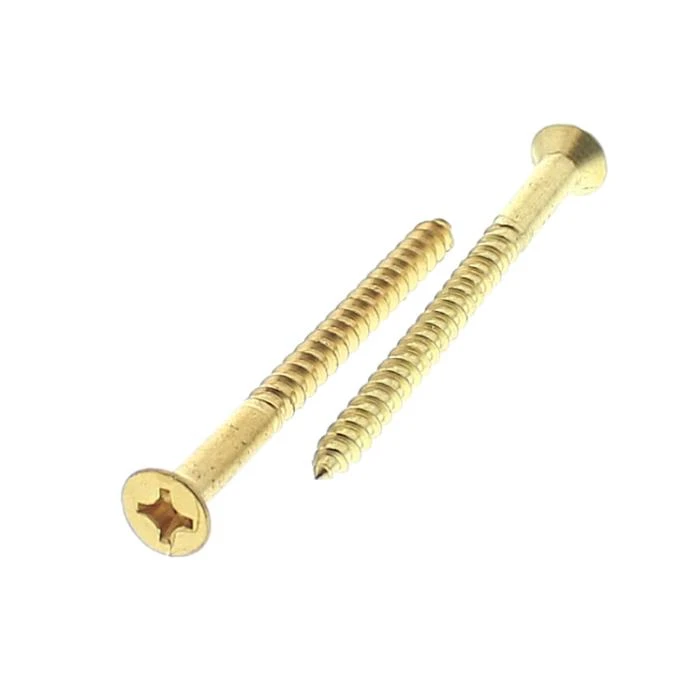
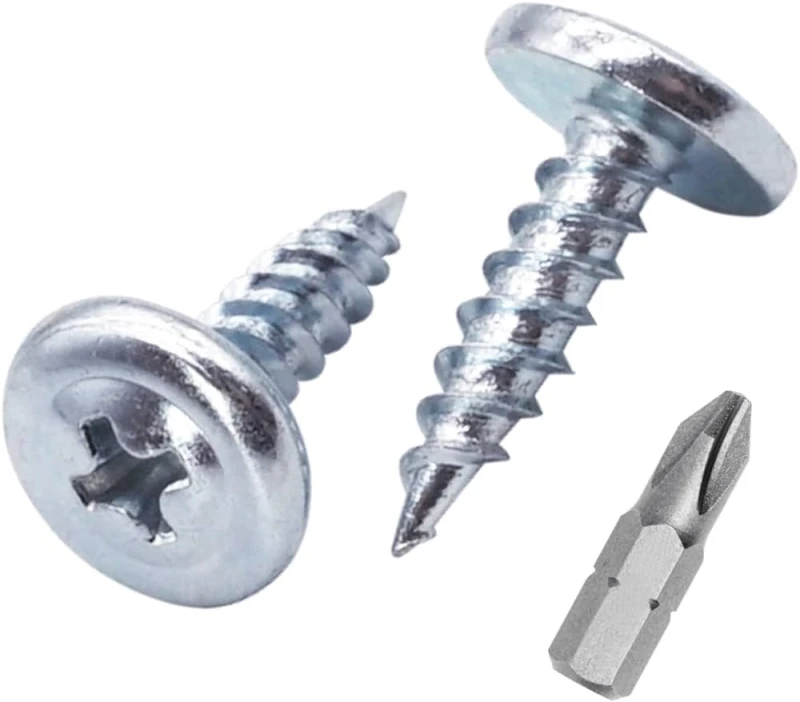
Zinc plating (electro-galvanizing / hot-dip galvanizing)
Electro-galvanizing has a refined appearance and is suitable for indoor applications; hot-dip galvanizing has a thicker zinc layer, providing a longer corrosion resistance life in outdoor or building structures, and is a common choice in the engineering industry.
Dacromet
Dacromet is widely used in automotive parts, heavy machinery, and metal structural components due to its excellent salt spray resistance. It is unaffected by high temperatures, has high coating strength, and is not prone to cracking, making it the preferred process for highly corrosive environments.
Phosphating, blackening, and nickel plating processes:
Phosphating is suitable for structural parts that require an oil film; blackening is mainly used indoors and requires oil protection; nickel and chrome plating are more suitable for precision products or decorative parts with high appearance requirements.
3. Storage and transportation are equally important:
Screws undergo strict processing before leaving the factory, but if they encounter moisture, condensation, or damaged packaging during storage, containerization, and transportation, they may rust prematurely.
Proper warehousing requires controlling humidity within a suitable range to prevent screws from prolonged contact with moisture in the air. Screws should not be placed directly on the ground but should be isolated using pallets to prevent moisture absorption.
4. Choose the appropriate screws based on the usage scenario:
In outdoor, humid, or rainy environments, it is recommended to prioritize the use of 304/316 stainless steel, or choose hot-dip galvanized or Dacromet-treated carbon steel screws. If the screws are located near the sea or in high-salt-spray environments (such as docks, structures exposed to direct sea winds, and shipboard installations), then 316 stainless steel is often necessary. In chemical workshops or environments with corrosive chemicals, a specific assessment based on the material and manufacturing process is required.
5. Proper Installation and Maintenance
Many screws rust not due to material or manufacturing defects, but because the plating is damaged during use. Using incompatible tools during installation, causing scratches, or over-tightening damaging the plating, will become sources of later rust. Therefore, installers should use appropriate wrenches or power tools and avoid mechanical damage to the screw head and shank.
In outdoor equipment, if screws are exposed to rain for extended periods, regularly applying rust-preventive oil or checking the surface condition can effectively extend their lifespan.
Conclusion: Whether a screw rusts depends not only on the material and surface treatment, but also on a combination of factors including transportation, storage, environment, and usage.
We hope this blog post has been helpful. For further questions about fasteners, please follow our blog or contact us directly!
Contact Information:
Tel: +86 13380688971
WhatsApp: +86 13380688971
Email:sales@hky-hardware.com