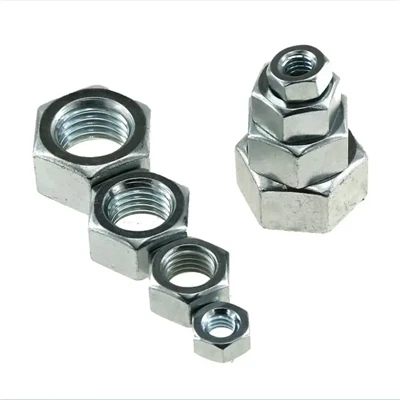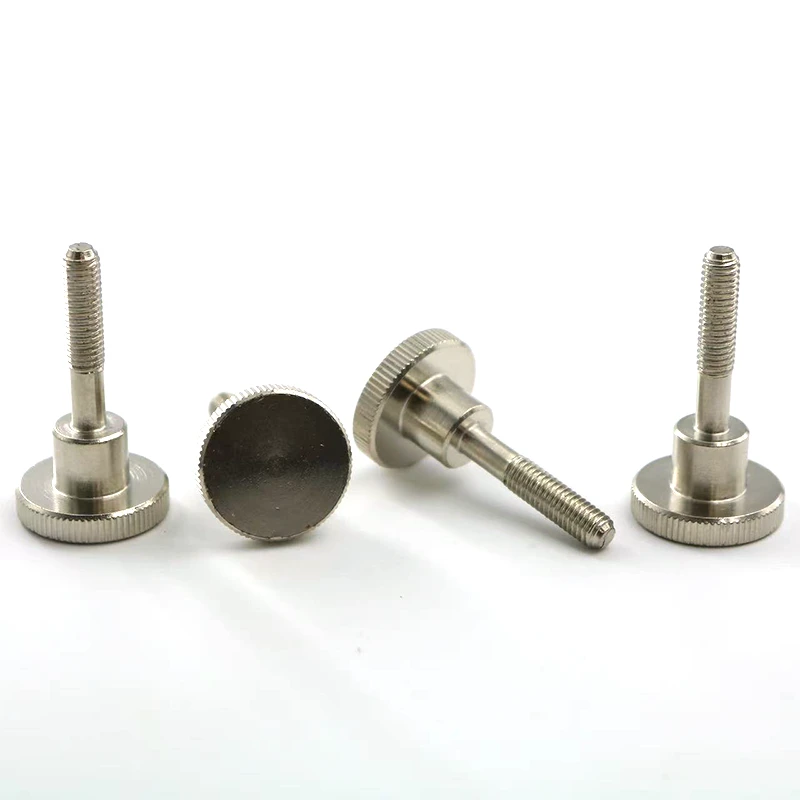
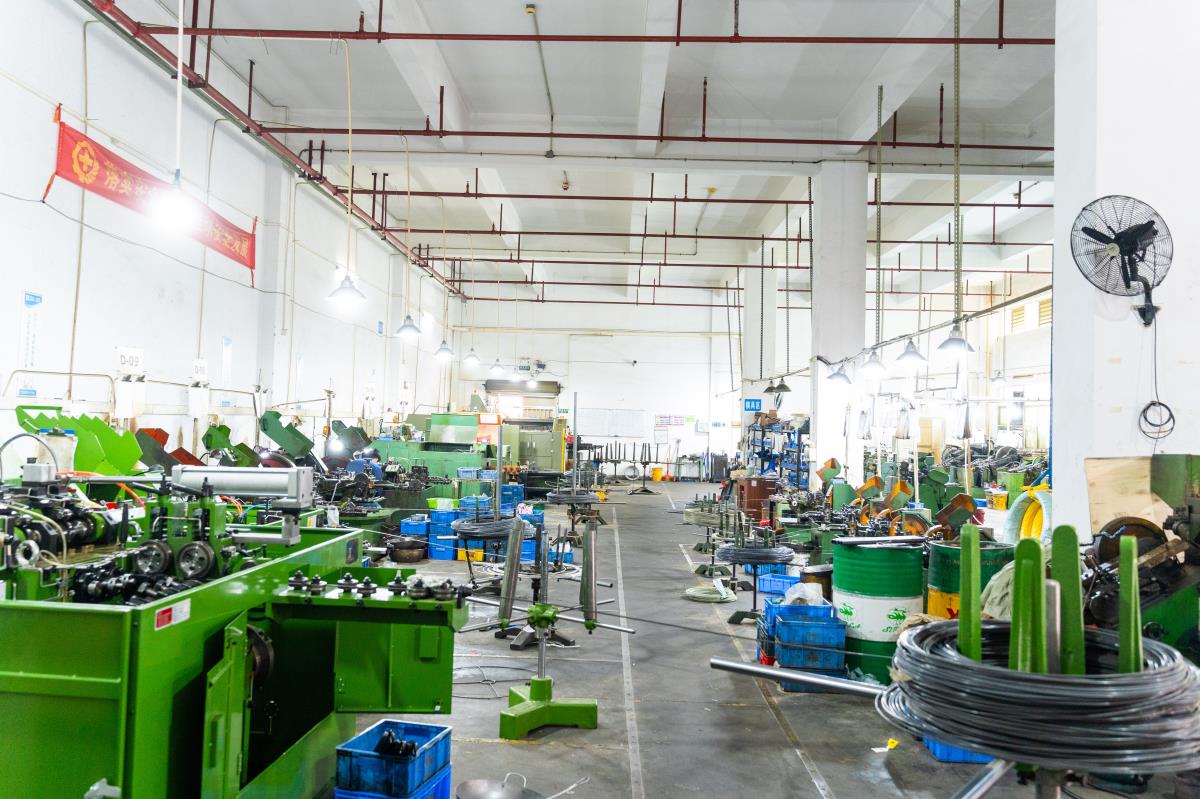
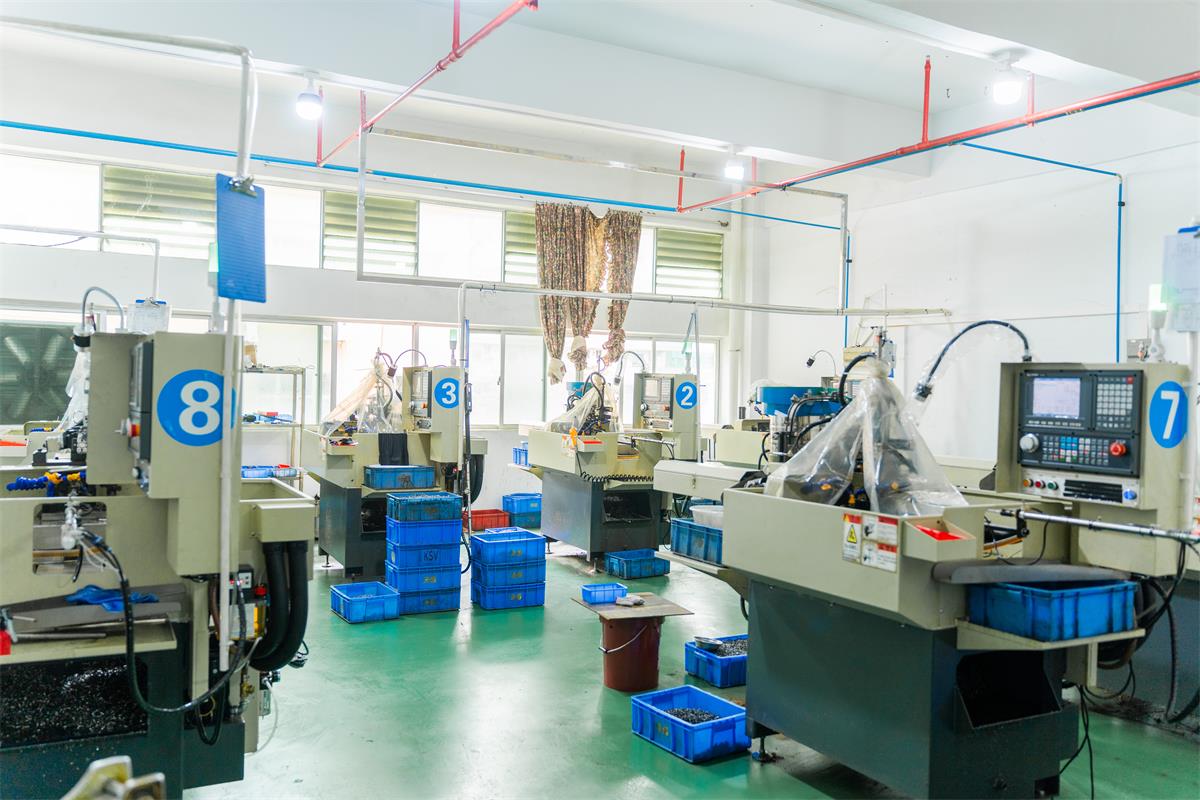
As a custom fastener manufacturer with over 20 years of production experience, Zeyao has supplied a wide range of standard and custom hex nuts to clients across numerous industries. Through thousands of production projects, we have observed that while the fundamental function of a hex nut remains constant, different industries often have vastly different requirements regarding materials, strength grades, corrosion resistance, precision, and manufacturing standards.
For instance, construction companies may prefer hot-dip galvanized, high-strength carbon steel hex nuts to withstand outdoor environments; in contrast, manufacturers of food processing equipment require stainless steel hex nuts that meet stringent hygiene and corrosion-resistance standards; meanwhile, automation equipment manufacturers often demand custom thread sizes and tight dimensional tolerances to ensure compatibility with precision components.
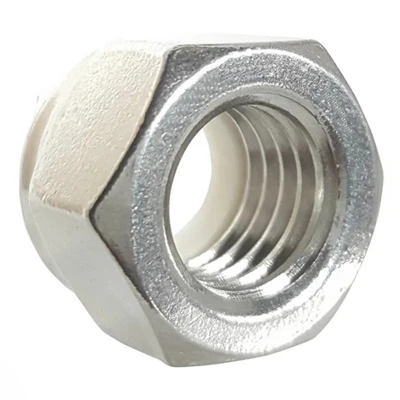
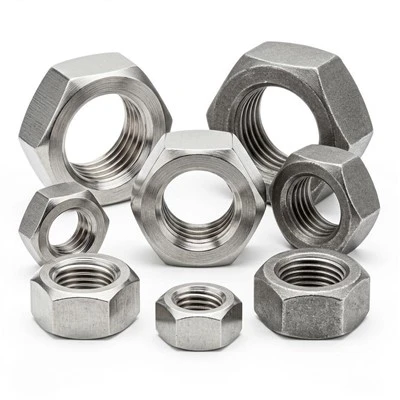
Why Are Hex Nuts Widely Used Across Industries?
For decades, hex nuts have been among the most widely used fasteners. This is not merely due to their simple appearance, but because they offer a reliable, standardized, and cost-effective fastening solution. Whether securing heavy steel structures or assembling precision machinery, their versatility allows them to adapt to a wide range of industrial environments.
Standardized Design Facilitates Global Manufacturing
The strength of hex nuts lies in their standardized design. International standards-such as DIN, ISO, ANSI, and ASTM-clearly define their dimensions, thread specifications, and mechanical properties. This enables manufacturers and buyers worldwide to use compatible fasteners without the need to redesign products.
For Original Equipment Manufacturers (OEMs), this standardization greatly simplifies product development and supply chain management. Engineers can design equipment using standardized fasteners, while procurement departments can source replacements from qualified suppliers without worrying about compatibility issues. However, standardization does not mean all hex nuts are identical; during production, customers may request custom dimensions, specific thread tolerances, or non-standard materials to meet the needs of particular projects.
Reliable Fastening Performance for Demanding Applications
The primary function of a hex nut is to mate with a bolt or threaded rod to generate secure clamping force. Its hexagonal shape allows tools like wrenches or sockets to apply sufficient torque, ensuring a stable connection even under harsh operating conditions. Industries such as construction, transportation, mining, and industrial equipment rely on hex nuts because properly tightened fasteners can withstand heavy loads, continuous vibration, and repetitive mechanical stress.
In our production projects, we have found that customers rarely choose hex nuts based solely on price. Instead, they prioritize the fastener's ability to maintain clamping force throughout the product's service life. Consequently, selecting the right material, strength grade, and surface finish is often more important than simply choosing the lowest-cost option. Compatibility with Various Materials and Fastening Systems
Another reason for the widespread use of hex nuts is their excellent compatibility with a wide range of bolts, threaded rods, washers, and locking systems. They can be manufactured from carbon steel, alloy steel, stainless steel, brass, and other specialty materials to meet diverse environmental and mechanical performance requirements.
Suitable for Automated Manufacturing and Mass Production
Modern manufacturing increasingly relies on automated production lines, robotic assembly, and mass production models. Hex nuts are ideally suited to these processes, as their standardized geometry facilitates automated feeding, positioning, and fastening. For manufacturers of automotive components, electronics, home appliances, or industrial machinery, automation not only boosts production efficiency but also lowers labor costs and reduces assembly errors.
Key Industries Utilizing Hex Nuts
Different industries have varying priorities regarding hex nuts. Some sectors emphasize strength, while others focus on corrosion resistance, precision, or long-term durability. Understanding these distinctions helps buyers select the products best suited to their specific operating environments.
Construction Industry
The construction industry is a major consumer of hex nuts globally. Whether for commercial buildings, residential housing, bridges, factories, or infrastructure projects, hex nuts are widely used to connect structural steel components, support frames, guardrails, and various mechanical systems. Construction environments often expose fasteners to rain, moisture, temperature fluctuations, and sustained mechanical loads. Consequently, buyers typically prioritize strength and corrosion resistance over aesthetics.
Hot-dip galvanized carbon steel hex nuts are frequently used in outdoor steel structures because they offer excellent rust protection while maintaining high mechanical strength. In coastal regions or highly corrosive environments, stainless steel hex nuts are often the preferred choice; despite their higher cost, their superior longevity makes them a cost-effective solution. For construction contractors, purchasing decisions often hinge on compliance with international standards, consistent quality in mass production, and reliable delivery schedules.
Automotive Industry
Automotive manufacturing relies on thousands of fasteners to assemble engines, chassis, suspension systems, braking components, battery systems, and interior structures. Hex nuts are among the most commonly used fasteners, as they ensure secure connections while facilitating efficient assembly and maintenance. Unlike general industrial applications, automotive manufacturers demand extremely high standards regarding dimensional precision, thread consistency, fatigue resistance, and long-term reliability.
In many automotive projects, manufacturers also require custom hex nuts featuring specific coatings or anti-loosening mechanisms to enhance vibration resistance and extend service life under demanding operating conditions.
Industrial Machinery Manufacturing
Industrial machinery represents another major sector for hex nut application. Equipment such as CNC machine tools, packaging machinery, conveyor systems, agricultural processing equipment, automated production lines, and heavy manufacturing machinery relies on secure threaded connections to maintain structural stability and operational precision. Machinery manufacturers typically require fasteners capable of withstanding continuous vibration, repetitive motion, and high mechanical loads without loosening over time. Consequently, they place great importance on material selection, strength grades, thread precision, and manufacturing consistency.
In addition to standard products, many machinery manufacturers require custom hex nuts to accommodate unique equipment dimensions or meet specific engineering requirements. Partnering with an experienced fastener OEM/ODM manufacturer for such projects helps shorten development cycles while ensuring product compatibility.
Power and Energy Industry
The power and energy industry relies on hex nuts to secure electrical cabinets, switchgear, transformers, cable trays, substations, transmission towers, and renewable energy installations. Although these fasteners may not always be subjected to extreme mechanical loads, they must offer long-term reliability and maintain structural integrity over many years. Outdoor power infrastructure is constantly exposed to rain, humidity, UV radiation, and temperature fluctuations; consequently, corrosion resistance is a critical factor in the selection process.
For many power distribution projects, galvanized carbon steel hex nuts offer an excellent balance between cost and durability. However, in coastal regions or environments with chemical corrosivity, stainless steel hex nuts are generally recommended, as they significantly extend service life and reduce the frequency of maintenance.
Selecting the Right Material for Hex Nuts Across Industries
Choosing the appropriate material is one of the most critical decisions when purchasing hex nuts. Although two hex nuts may appear identical, their performance can differ significantly based on the material used. Factors such as corrosion resistance, strength, operating temperature, and service life should be carefully considered before making a purchasing decision.
Carbon Steel Hex Nuts
Carbon steel is the most common material for industrial hex nuts, offering an excellent balance of strength, availability, and cost-effectiveness. It is widely used in construction, machinery manufacturing, agricultural equipment, transportation, and general industry. Depending on project requirements, carbon steel hex nuts can be manufactured to various strength grades and finished with processes such as zinc plating, black oxide coating, or hot-dip galvanizing.
Stainless Steel Hex Nuts
Stainless steel hex nuts are the ideal choice for environments where corrosion resistance is paramount. They are widely used in food processing equipment, medical devices, marine engineering, chemical plants, and outdoor infrastructure. Grades 304 and 316 are the most common stainless steel materials. While 304 stainless steel offers excellent general corrosion resistance, 316 stainless steel performs better in coastal and high-salinity environments due to its superior resistance to chloride corrosion.
Alloy Steel Hex Nuts
Alloy steel hex nuts are designed for applications requiring higher tensile strength and superior fatigue resistance. These fasteners are commonly used in mining equipment, heavy machinery, construction equipment, oil and gas systems, and other high-load applications where standard carbon steel often fails to provide sufficient mechanical performance. Proper heat treatment and quality control during manufacturing are essential to ensure these alloy steel fasteners achieve the required strength and durability.
Brass and Specialty Materials
Although less common than steel products, brass hex nuts are widely used in electrical equipment, decorative applications, and environments requiring electrical conductivity or non-magnetic properties. For highly specialized industries, manufacturers may also utilize materials such as aluminum, titanium, or duplex stainless steel to meet unique performance requirements. When selecting these materials, it is usually necessary to strike a balance between weight, corrosion resistance, mechanical strength, and the total project cost.
Factors to Consider Before Purchasing Hex Nuts
Selecting the right hex nut involves more than just picking the correct size. Different industries have distinct technical requirements; overlooking key factors during procurement can lead to assembly issues, premature failure, increased maintenance costs, or production delays.
Selecting the Right Material Based on the Operating Environment
The first step in choosing a hex nut is understanding its application environment, as this directly influences material selection. For indoor machinery or general industrial equipment, carbon steel hex nuts are usually the most cost-effective choice. However, if the fasteners will be exposed to rain, humidity, chemicals, or saltwater, corrosion-resistant materials-such as stainless steel or alloy steel with special coatings-should be considered.
Verifying Strength Grades and Mechanical Properties
Different applications require varying levels of mechanical strength. Heavy machinery, steel structures, mining equipment, and transportation systems typically require high-strength fasteners capable of withstanding continuous loads and vibration. Before purchasing, buyers should verify the required strength grade, hardness, tensile properties, and applicable industry standards. Selecting fasteners with insufficient strength can compromise the safety and reliability of the entire assembly.
Considering Surface Finish and Corrosion Resistance
Surface finish is often overlooked, yet it significantly impacts the product's service life. Different coatings suit different environments:
Zinc Plating-Suitable for general indoor industrial applications.
Black Oxide-Offers a clean appearance and mild corrosion resistance.
Hot-Dip Galvanizing-Ideal for outdoor construction and infrastructure projects.
Dacromet or Geomet Coatings-Provide superior corrosion resistance without compromising thread precision.
Stainless Steel Passivation-Enhances the inherent corrosion resistance of stainless steel fasteners. Selecting the appropriate surface finish helps extend the service life of the fastening system while reducing maintenance costs.
Ensuring Thread Precision and Dimensional Consistency
For automated production lines, precision is just as important as strength. Poor thread quality or dimensional inconsistencies can lead to assembly difficulties, higher scrap rates, or damage to mating components. This is particularly critical for industries such as automotive manufacturing, robotics, precision machinery, and electronic equipment.
Evaluating a Supplier's Manufacturing Capabilities
A reliable supplier offers value that extends far beyond competitive pricing. Before selecting a manufacturer, buyers should consider the following factors:
Manufacturing experience
Production capacity
Quality management systems
Engineering and technical support
Customization capabilities
Delivery reliability
Inspection and testing processes
Conclusion
Although hex nuts are among the simplest mechanical components, they remain vital fastening solutions in modern industry. From construction and automotive manufacturing to renewable energy, marine engineering, and industrial machinery, virtually every sector relies on reliable threaded connections to ensure safety, stability, and long-term performance. However, selecting the right hex nut involves far more than simply determining the thread size; factors such as material selection, strength grade, corrosion resistance, surface finish, manufacturing quality, and the application environment all influence the performance and service life of the fastening system.
FAQ
Q: What industries use hex nuts the most?
A: Hex nuts are widely used in the construction, automotive, industrial machinery, agriculture, electrical, marine, oil and gas, and renewable energy industries.
Q: What material is best for hex nuts?
A: Carbon steel is suitable for general industrial use, stainless steel is ideal for corrosive environments, while alloy steel is preferred for high-strength applications.
Q: Are stainless steel hex nuts better than carbon steel hex nuts?
A: Not always. Stainless steel offers excellent corrosion resistance, while carbon steel generally provides higher strength at a lower cost.
Q: Can hex nuts be customized?
A: Yes. Hex nuts can be customized in terms of size, thread type, material, strength grade, surface finish, and packaging to meet specific OEM or industrial requirements.
Q: Which hex nuts are best for outdoor applications?
A: For outdoor use, hot-dip galvanized carbon steel or stainless steel hex nuts are recommended because they offer excellent corrosion resistance and long-term durability in harsh environments.
Q: What standards do industrial hex nuts follow?
A: Industrial hex nuts are commonly manufactured according to international standards such as DIN, ISO, ANSI, ASTM, and JIS, depending on the application and market requirements.
Q: How do I choose the right hex nut supplier?
A: Choose a supplier with strong manufacturing experience, reliable quality control, customization capabilities, stable production capacity, and consistent delivery performance.
Q: Why are hex nuts so widely used?
A: Hex nuts are easy to install, compatible with standard bolts, cost-effective, and suitable for a wide range of industries, making them one of the most commonly used fastening components worldwide.