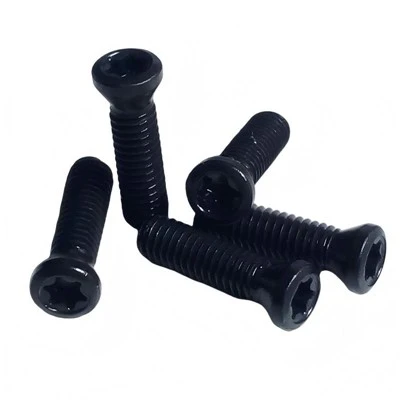
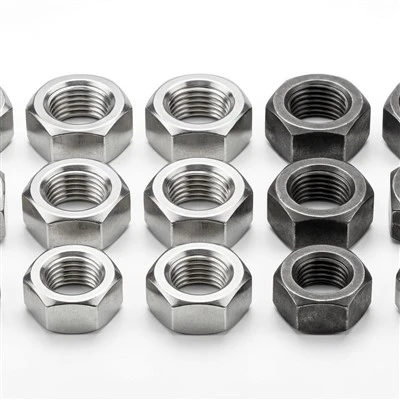
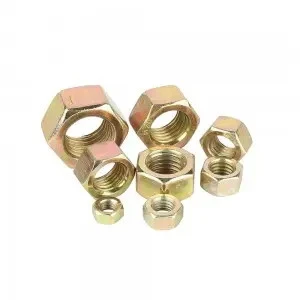
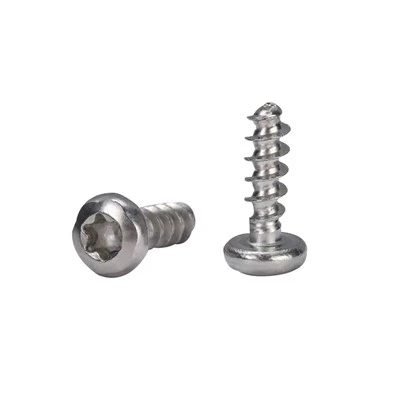
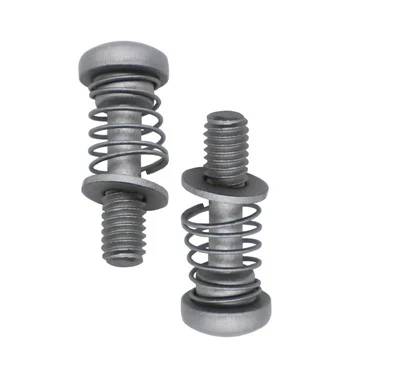
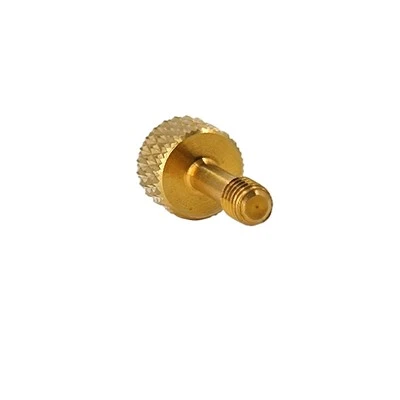
303 stainless steel non-standard car parts, hexagonal internal and external hollow screws, are specially designed fasteners. Its core functions and key features are as follows, which are analyzed in layers according to technical logic.
1. Core function positioning
Structural connection and sealing
Through the design of external hexagon + internal thread or external thread + hollow channel, it realizes the dual functions of high-strength mechanical connection and pipeline penetration, which is typically used for sealed pipeline fixation of hydraulic/pneumatic systems.
The hollow structure allows wires, fluids, or sensors to pass through the axial space of the screw, simplifying the system layout.

Non-standard adaptability
Customized thread specifications, hollow apertures, and external hexagonal sizes solve the problem of special equipment interfaces that standard parts cannot match.
2. Key performance advantages
Material properties
303 stainless steel
Optimized cutting performance, suitable for turning complex non-standard structures; resistant to weak corrosive media, suitable for food machinery, chemical instrumentation, and other environments.
Mechanical design
External hexagonal head: provides high torque bearing capacity to avoid slipping during installation.
Hollow weight reduction: reduces component weight while maintaining axial tensile strength.

Sealing and anti-loosening
Can be used with O-rings or thread glue, and the internal/external thread design is suitable for different sealing solutions.
3. Typical application scenarios
Automation equipment: Hollow screws as sensor brackets, threading and fixing at the same time.
Medical instruments: Non-standard threaded connections that meet clean requirements to avoid fluid retention.
Energy pipelines: High-pressure gas pipelines have both conduction and flange locking functions.

4. Key points for selection
Non-standard parameters are clear: the thread diameter tolerance and the hollow inner wall finish must be accurately marked.
Process matching: 303 stainless steel turning parts need to control the cutting speed to avoid work hardening.
Through the above hierarchical analysis, the functional essence and design boundaries of such non-standard parts can be quickly grasped, which is convenient for engineering selection or customization communication.